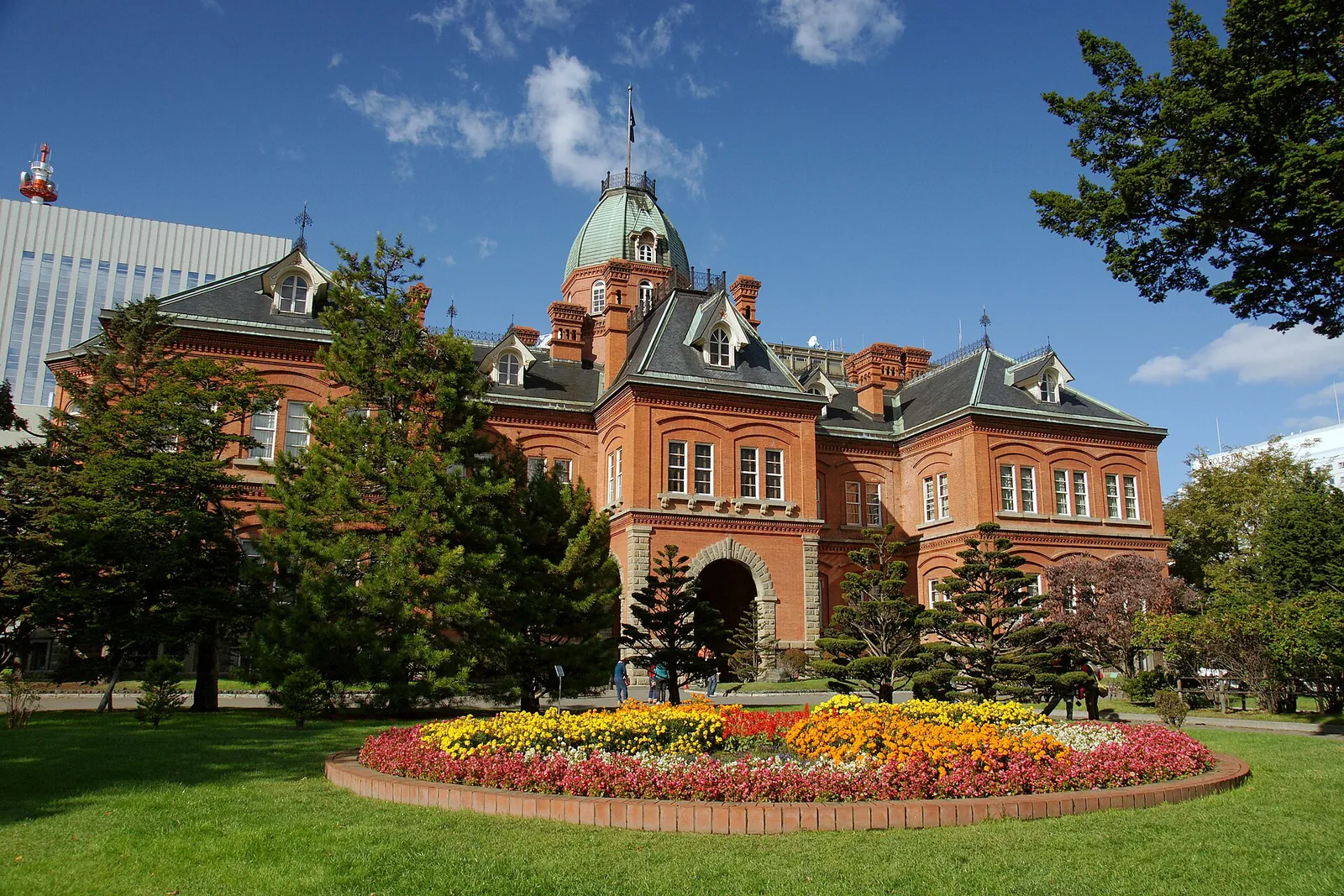
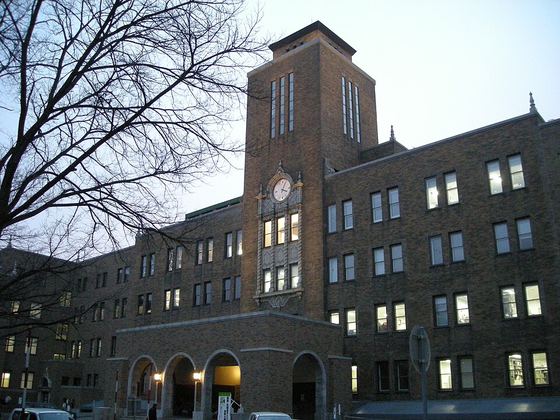
Former Hokkaido Government Office Building / 663highland · CC BY 2.5
Sapporo · suggested length: 3 days, 2 nights
Sapporo History: A City Drawn on a Map 150 Years Ago
Sapporo in three lines
- On land where the Ainu people had lived, the Meiji government placed a town for development.
- Everything from the grid of streets and Odori Park to the farm school's location was decided on paper first.
- While other cities grew naturally, Sapporo is a city that was "made."
About 150 years ago, there was no city here. Sapporo was built from a blueprint.
Planned and checked by Waka Travel (Japan) ·
A city drawn up as national policy
The area around Sapporo was home to the Ainu people, who gave names to its rivers and land. The Meiji government built a town here to a plan, as a base for developing Hokkaido. The grid of streets, Odori Park and the university's location were all fixed on the drawings from the start. While other Japanese cities grew naturally, Sapporo was "made," and walking around it, you can see the thinking behind its design.
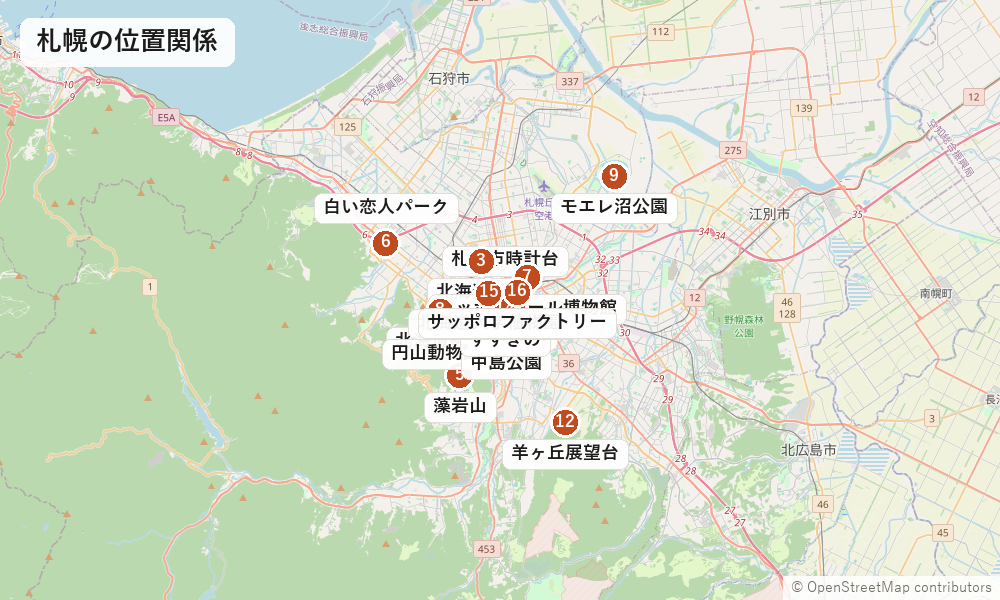
What each place tells you
1Former Hokkaido Government Office Building 北海道庁旧本庁舎Day 2
The headquarters of the government office that ran the development. It was built in a Western style because the development looked abroad for its models, so the architecture shows where the nation was looking.
2Sapporo Clock Tower 札幌市時計台Day 1
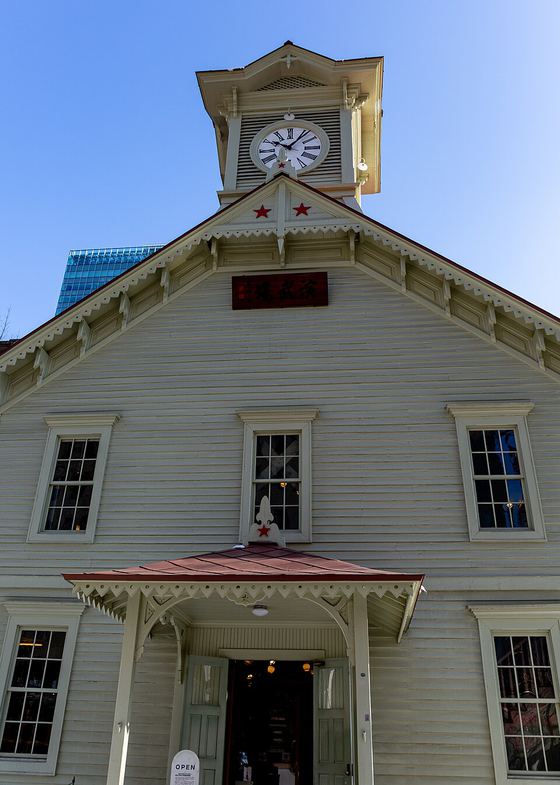
It was the drill hall of the Sapporo Agricultural College. That the city's symbol is a school building, not a government office or a temple, says a lot about how this city came to be.
3Hokkaido University 北海道大学Day 2
It grew out of the agricultural college. On the idea that development needed engineers, a school was placed here from the start: education was built into the city plan.
4Odori Park 大通公園Day 1
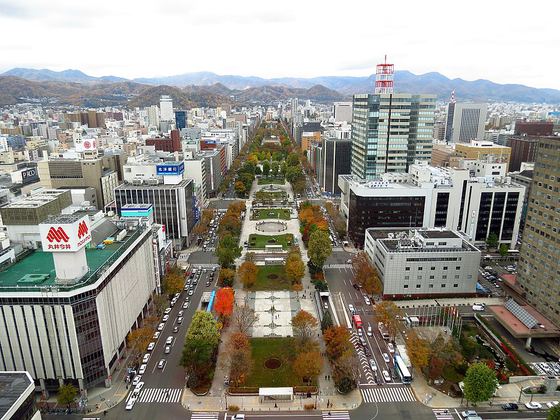
It began as an open strip meant to stop fires from spreading. The green park came later; it started out as disaster-prevention infrastructure.
5Mt. Moiwa 藻岩山Day 1
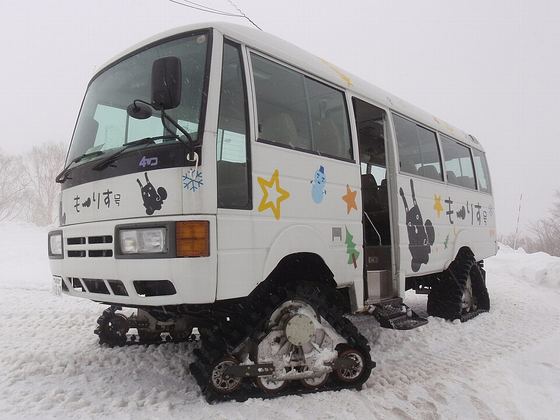
From here you see the whole city. The grid stops at the foot of the mountain, and the land beyond was open wilderness, which still shows in the terrain. You can see where the city's edge used to be.
6Shiroi Koibito Park 白い恋人パークIf you have time
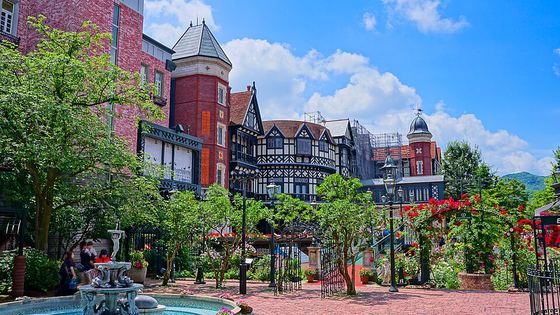
A factory and visitor center for a Hokkaido confectionery. It is one place where you can see farming, which began with the development, turn into food processing.
7Sapporo Beer Museum サッポロビール博物館If you have time
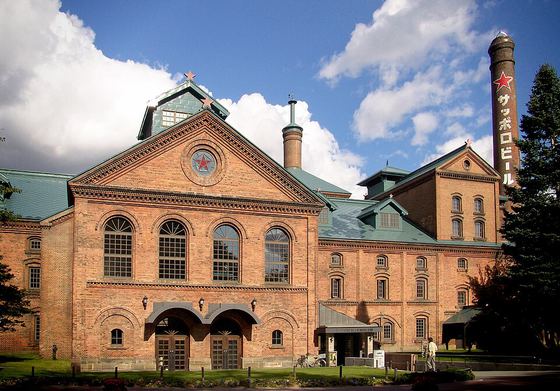
It began as the brewery built by the Development Commission. Beer was chosen for the barley and hops that grow in a cold climate and for the plentiful water, an example of the land deciding the industry.
8Hokkaido Jingu Shrine 北海道神宮Day 2
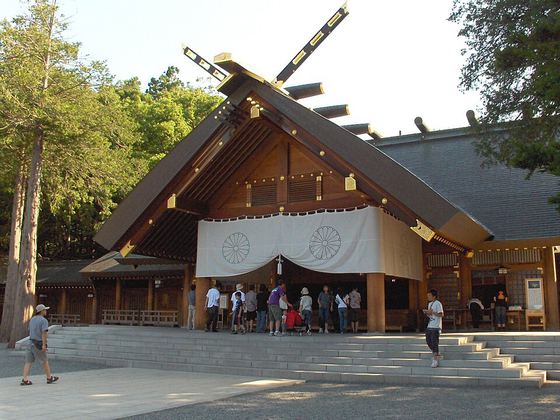
A shrine where deities brought from Honshu were enshrined at the start of the development. Its location and origins show that it did not grow from this land but was brought in by the people who came here.
9Moerenuma Park モエレ沼公園Day 3
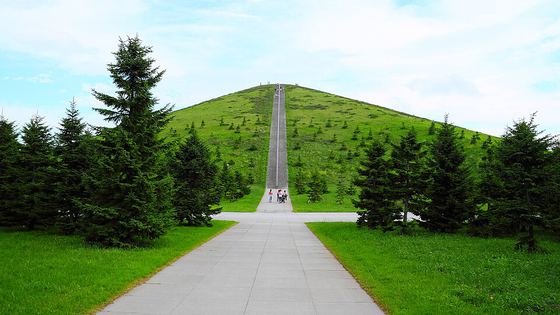
A former landfill turned into a park, designed by the sculptor Isamu Noguchi. Sapporo's habit of making land from nothing was repeated at the end of the 20th century.
10Maruyama Zoo 円山動物園If you have time
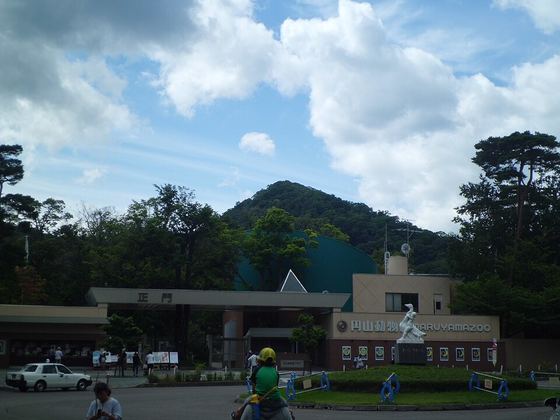
Maruyama is a mountain whose primeval forest was preserved during the development era. Even while building a city, someone decided to leave part of the land untouched.
11Nakajima Park 中島公園If you have time
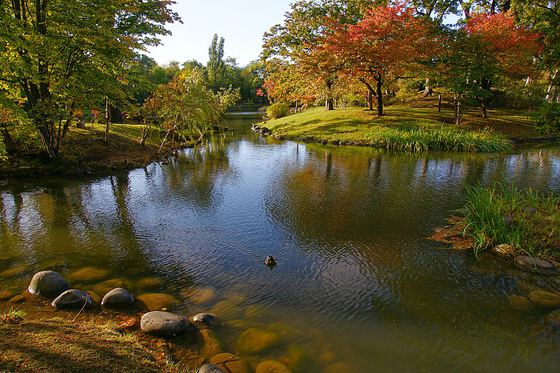
Once a pond for storing logs floated down the Toyohira River, it became a park as the city grew.
12Hitsujigaoka Observation Hill 羊ヶ丘展望台If you have time
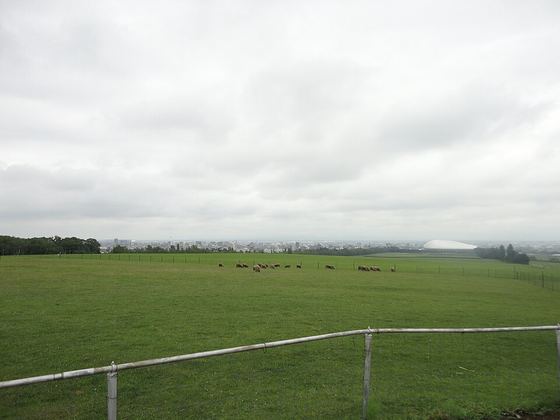
A hill with a statue of Dr. Clark. Looking down at the city, you see the grid spread out in squares in the middle of the wilderness.
13Nijo Market 二条市場Day 3
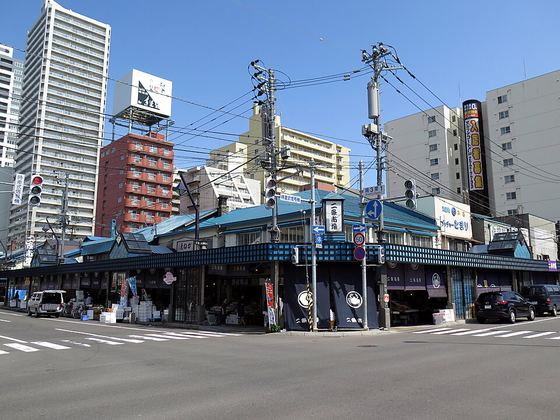
It began when fishermen from the Ishikari coast started selling fish here in the development era. Something that grew up on its own sits inside the planned city.
14Susukino すすきのIf you have time
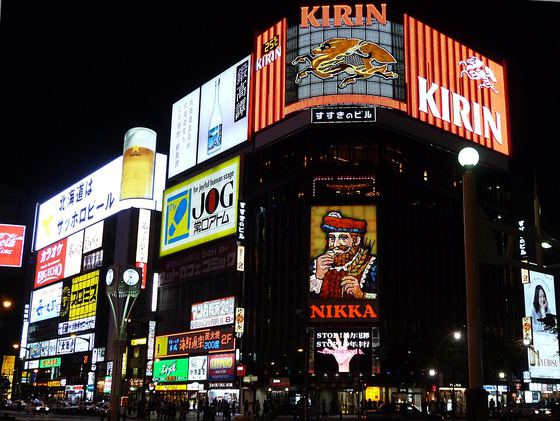
An entertainment district the Development Commission officially approved and built. The authorities decided a pleasure quarter was needed to attract workers, and put one here.
15Hokkaido University Botanic Garden 北海道大学植物園Day 2
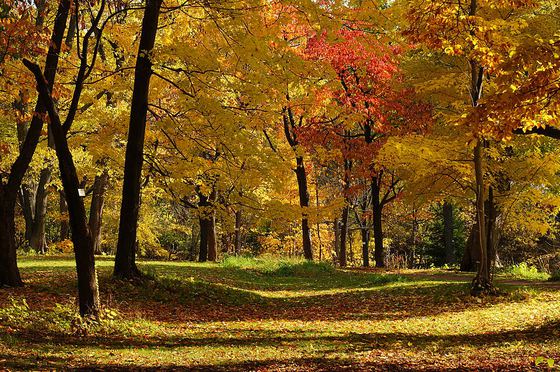
Opened in 1886 as the botanical garden of the Sapporo Agricultural College. The trees of the forest that stood before the city, and the lie of the land, are preserved here: a slice of the landscape before Sapporo, kept in the middle of town.
16Sapporo Factory サッポロファクトリーIf you have time
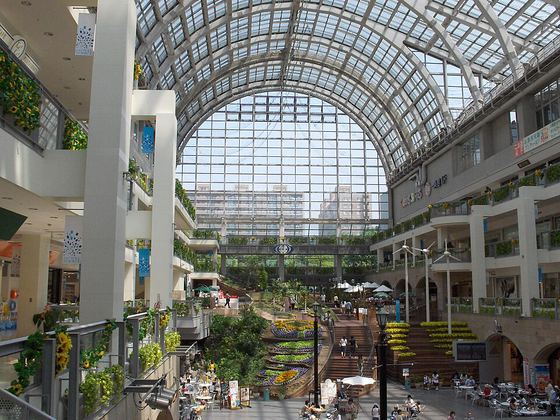
The Development Commission's brewery, converted into a shopping complex with its buildings intact. The red-brick buildings remain, showing how an industrial site became a face of the city.
After you've seen them all
By the end, you see that the city's neat, easy-to-read layout is no accident. The straight roads and wide parks are lines drawn with a purpose.
Visiting these 9 places in the shortest order
3 days, 2 nights, with 6 h 2 min of travel in total. Stay at Odori Station area.
- Day 1 Sapporo Clock Tower → Odori Park → Mt. Moiwa
- Day 2 Former Hokkaido Government Office Building → Hokkaido University Botanic Garden → Hokkaido University → Hokkaido Jingu Shrine
- Day 3 Nijo Market → Moerenuma Park
If you have time: Shiroi Koibito Park, Sapporo Beer Museum, Maruyama Zoo, Nakajima Park, Hitsujigaoka Observation Hill, Susukino, Sapporo Factory (covered in the story, but left out of the route to keep each day manageable).
For arrival times at every stop, see the Sapporo itinerary.
More stories
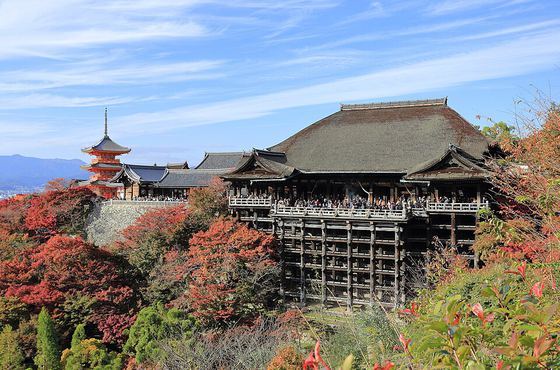 KyotoKyotoA thousand years of a city rebuilt by whoever held powerEach time power changed hands, whoever took over left their own answer in the same basin. In Kyoto, those answers still stand side by side.15 places · 3 days, 2 nights
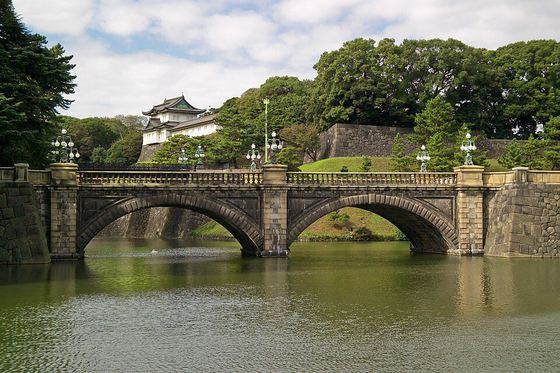 TokyoTokyoA city made by reshaping the landThis was wetland. People dug it out, filled it in and turned it into a city, and the marks of that work are still the shape of Tokyo today.14 places · 3 days, 2 nights
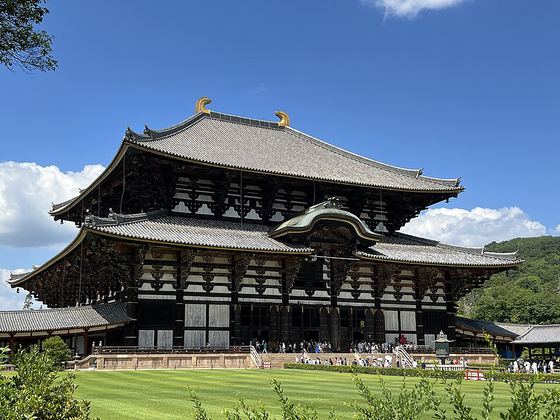 NaraNaraWhere Japan tried to become a nation-stateHere you can still see the real thing: what remains from the years when Japan was being put together as a country.9 places · 2 days, 1 night
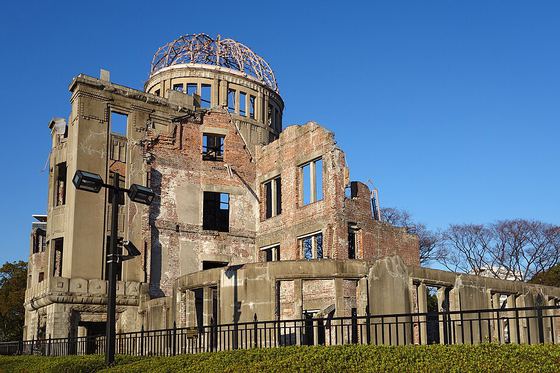 HiroshimaHiroshima & MiyajimaA place where people twice chose to preserveA city that was destroyed, and a shrine built out over the sea so that the island would not be harmed. Both lie on the same bay.10 places · 2 days, 1 night
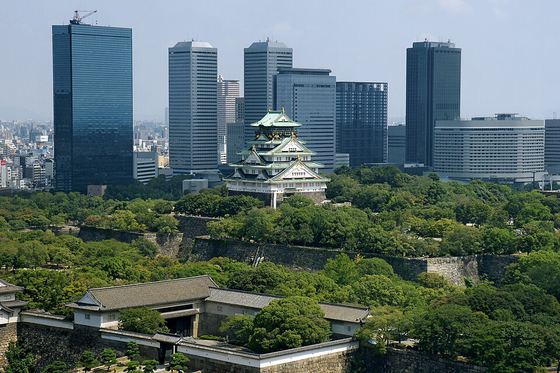 OsakaOsakaA hub known as the "nation's kitchen"Where goods gather, a system grows up to handle them, and so does a culture of people who make money from them.10 places · 2 days, 1 night
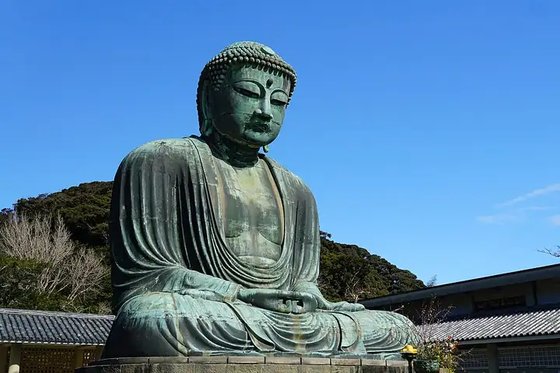 KanagawaKamakuraThe samurai's first capital, protected by mountains and seaOn a narrow piece of land with mountains on three sides and the sea on the fourth, the samurai set up their own government for the first time.7 places · 2 days, 1 night
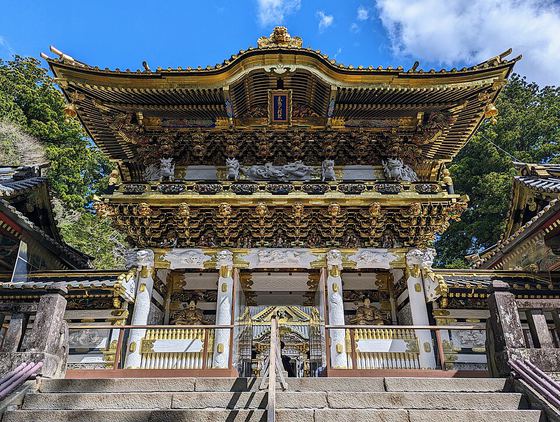 NikkoNikkoWhere mountain worship meets a god made for politicsOn a mountain that was already sacred, a shrine was added that turned a man into a god.9 places · 2 days, 1 night
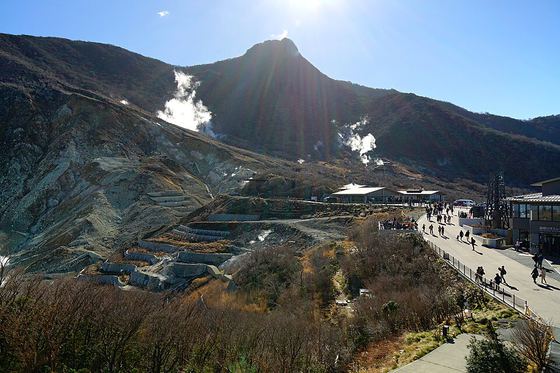 HakoneHakoneWhere the landscape shaped the rulesThe rugged land a volcano left behind became, just as it was, a line of defense for Edo.9 places · 2 days, 1 night
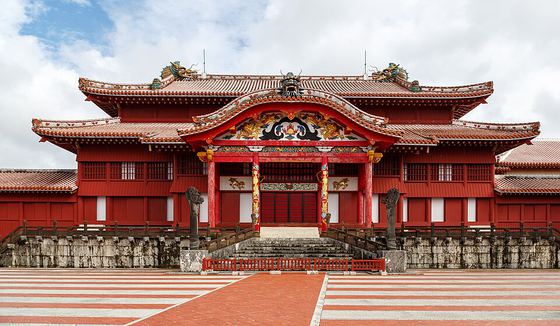 OkinawaOkinawaA kingdom open to the sea, and what came afterThis was an independent kingdom, with a culture that was neither Japanese nor Chinese.10 places · 3 days, 2 nights
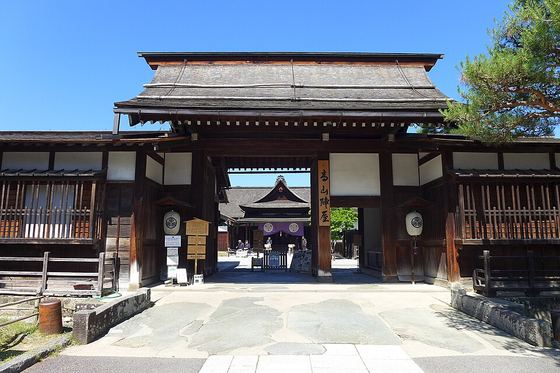 GifuTakayama & Shirakawa-goTwo ways of living in a land shut in by mountainsDeep in the mountains, Takayama grew up around the shogunate's government office, while Shirakawa-go made its living from work done in the attic.7 places · 2 days, 1 night
 KanazawaKanazawaAn Edo-period town plan, still visible because it was never destroyedA castle town the war never reached still keeps its original plan.11 places · 2 days, 1 night