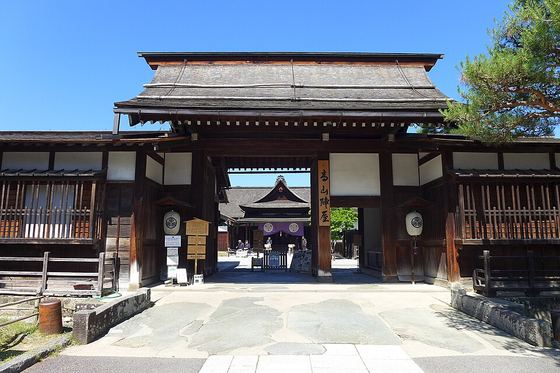
Takayama Jinya / Wpcpey · CC BY 4.0
Gifu · suggested length: 2 days, 1 night
Shirakawa-go & Takayama History: Life in the Hida Mountains
Takayama & Shirakawa-go in three lines
- From 1692 the shogunate ruled Hida directly and placed a government office (jinya) in Takayama.
- A merchant town flourished beside the office, and lavish festival floats were born.
- Deep in the mountains, Shirakawa-go made its living from silkworm raising and saltpeter making in its attics.
Deep in the mountains, Takayama grew up around the shogunate's government office, while Shirakawa-go made its living from work done in the attic.
Planned and checked by Waka Travel (Japan) ·
Two ways of living in a land shut in by mountains
From 1692 the shogunate ruled Hida directly, and a government office (jinya) was set up in Takayama for officials sent from Edo. A merchant town grew around it, and its festival floats show its wealth. In remote Shirakawa-go, with little farmland, people made their living by raising silkworms in the attics of steep-roofed houses and making saltpeter, an ingredient of gunpowder.
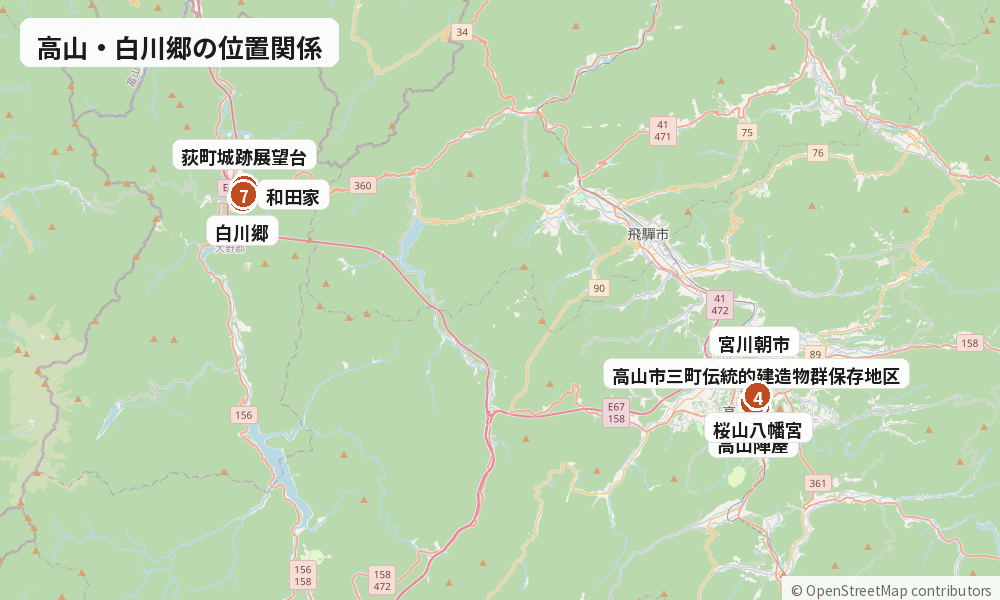
What each place tells you
1Takayama Jinya 高山陣屋Day 1
After Hida came under the shogunate's direct rule in 1692, magistrates (daikan and gundai) sent from Edo governed it from here. It is said to be the only place in Japan where the main buildings of an Edo-period magistrate's office survive, and it shows how distant Edo ruled a land deep in the mountains.
2Takayama Sanmachi Historic District 高山市三町伝統的建造物群保存地区Day 1
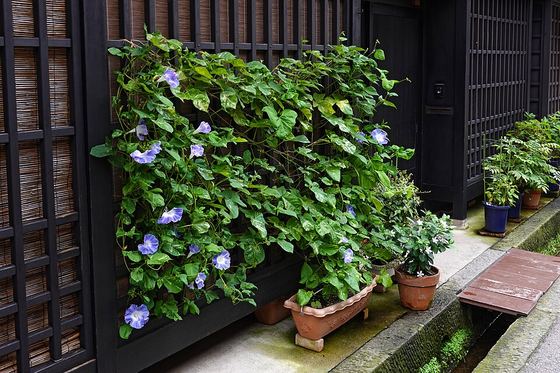
An old townscape of Edo-period merchant houses. The wealth of those who traded in a mountain town with a government office shows in the low eaves and latticed fronts. The rulers and the traders lived within a short walk of each other.
3Miyagawa Morning Market 宮川朝市Day 2
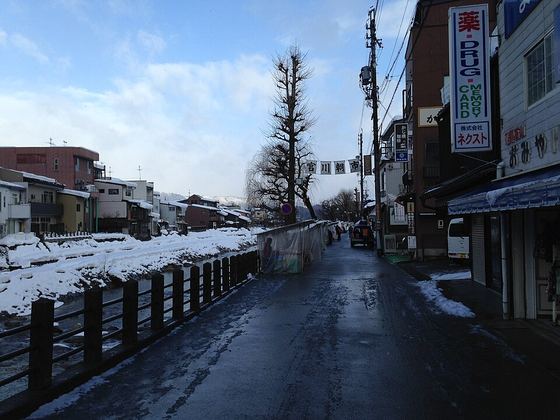
A morning market along the Miya River. In this mountain town, farmers from nearby still line the street each morning to sell vegetables and pickles.
4Sakurayama Hachimangu Shrine 桜山八幡宮Day 1
The shrine of the autumn Takayama Festival (the Hachiman Festival). A hall in its grounds displays real floats of the kind pulled at the festival, and their metalwork and carvings show how rich the merchant town was.
5Shirakawa-go 白川郷Day 2
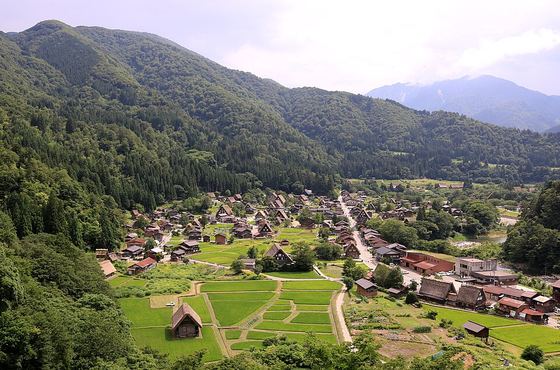
A village of gassho-zukuri houses with steep thatched roofs, made a World Heritage Site in 1995. The roofs are steep so the attic can hold several floors for raising silkworms. Saltpeter, an ingredient of gunpowder, was also made beside the hearth, and at its peak the Kaga domain bought more than half of it.
6Ogimachi Castle Ruins Observatory 荻町城跡展望台If you have time
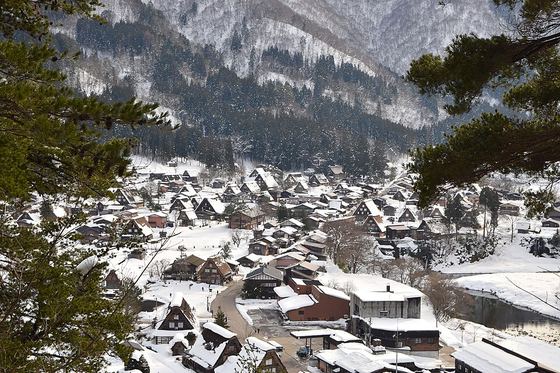
A viewpoint overlooking the village of Shirakawa-go. You can see houses and fields packed tightly into the narrow valley between the mountains.
7Wada House 和田家If you have time
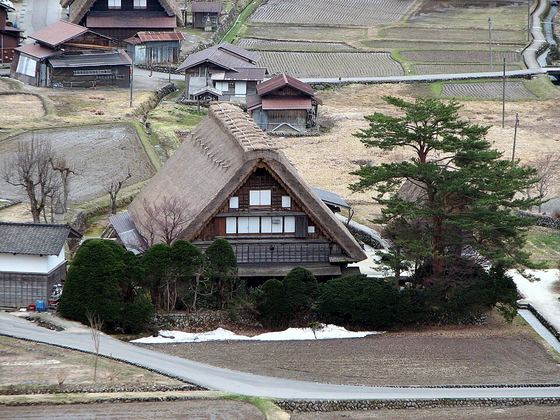
One of the largest gassho-zukuri houses in Shirakawa-go, and open to visitors. Climb to the attic to see the wide space where silkworms were raised.
After you've seen them all
By the end, you see that even in a land shut in by mountains, people made a living in two different ways: a government office and trade, and work in the attic.
Visiting these 5 places in the shortest order
2 days, 1 night, with 3 h 45 min of travel in total. Stay at Takayama Station area.
- Day 1 Sakurayama Hachimangu Shrine → Takayama Sanmachi Historic District → Takayama Jinya
- Day 2 Miyagawa Morning Market → Shirakawa-go
If you have time: Ogimachi Castle Ruins Observatory, Wada House (covered in the story, but left out of the route to keep each day manageable).
For arrival times at every stop, see the Takayama & Shirakawa-go itinerary.
More stories
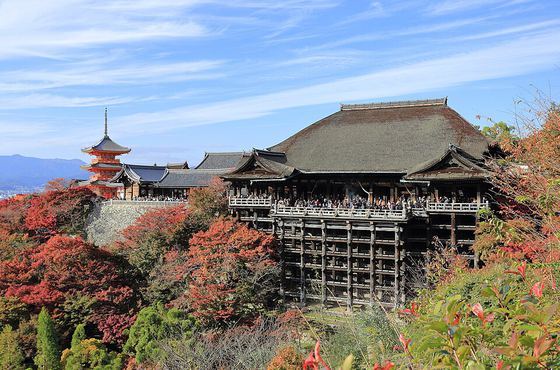 KyotoKyotoA thousand years of a city rebuilt by whoever held powerEach time power changed hands, whoever took over left their own answer in the same basin. In Kyoto, those answers still stand side by side.15 places · 3 days, 2 nights
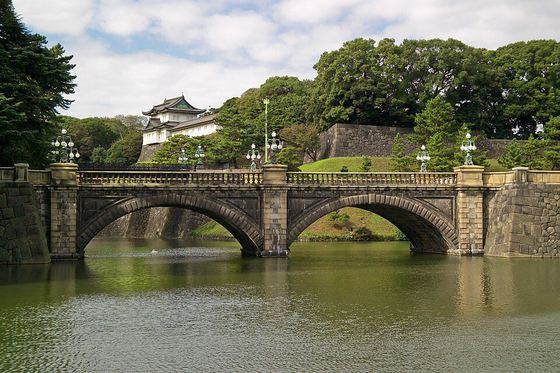 TokyoTokyoA city made by reshaping the landThis was wetland. People dug it out, filled it in and turned it into a city, and the marks of that work are still the shape of Tokyo today.14 places · 3 days, 2 nights
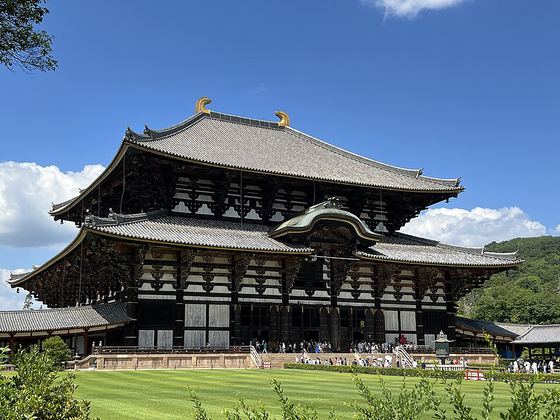 NaraNaraWhere Japan tried to become a nation-stateHere you can still see the real thing: what remains from the years when Japan was being put together as a country.9 places · 2 days, 1 night
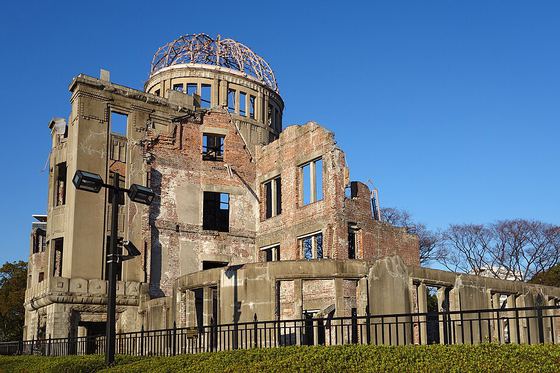 HiroshimaHiroshima & MiyajimaA place where people twice chose to preserveA city that was destroyed, and a shrine built out over the sea so that the island would not be harmed. Both lie on the same bay.10 places · 2 days, 1 night
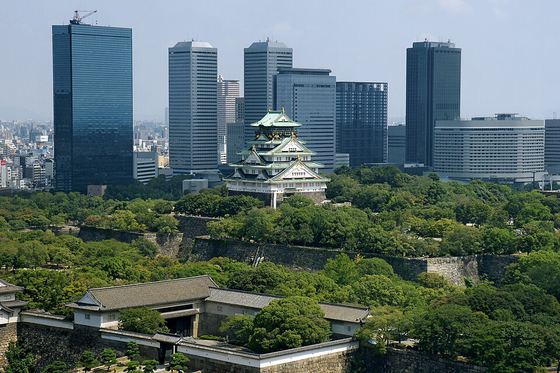 OsakaOsakaA hub known as the "nation's kitchen"Where goods gather, a system grows up to handle them, and so does a culture of people who make money from them.10 places · 2 days, 1 night
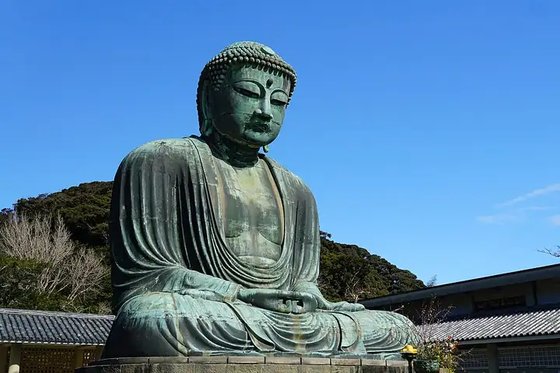 KanagawaKamakuraThe samurai's first capital, protected by mountains and seaOn a narrow piece of land with mountains on three sides and the sea on the fourth, the samurai set up their own government for the first time.7 places · 2 days, 1 night
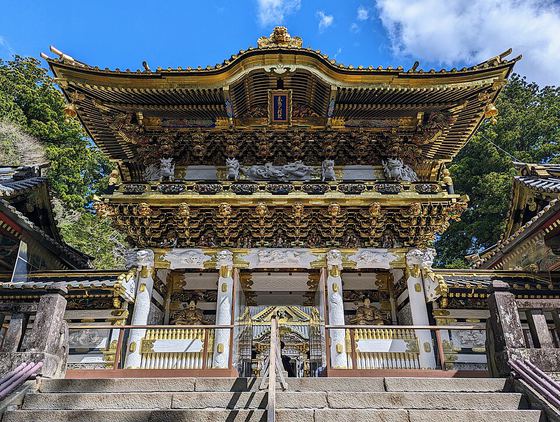 NikkoNikkoWhere mountain worship meets a god made for politicsOn a mountain that was already sacred, a shrine was added that turned a man into a god.9 places · 2 days, 1 night
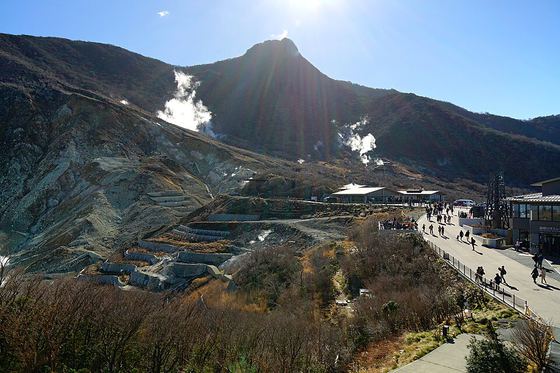 HakoneHakoneWhere the landscape shaped the rulesThe rugged land a volcano left behind became, just as it was, a line of defense for Edo.9 places · 2 days, 1 night
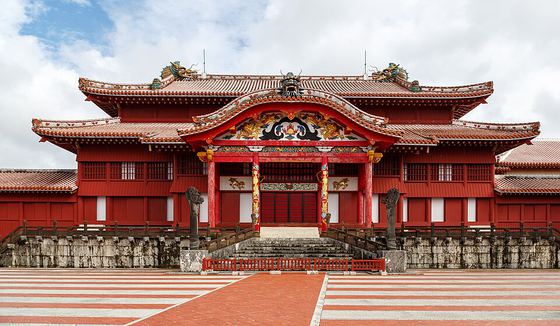 OkinawaOkinawaA kingdom open to the sea, and what came afterThis was an independent kingdom, with a culture that was neither Japanese nor Chinese.10 places · 3 days, 2 nights
 KanazawaKanazawaAn Edo-period town plan, still visible because it was never destroyedA castle town the war never reached still keeps its original plan.11 places · 2 days, 1 night
 SapporoSapporoA city drawn up as national policyAbout 150 years ago, there was no city here. Sapporo was built from a blueprint.16 places · 3 days, 2 nights