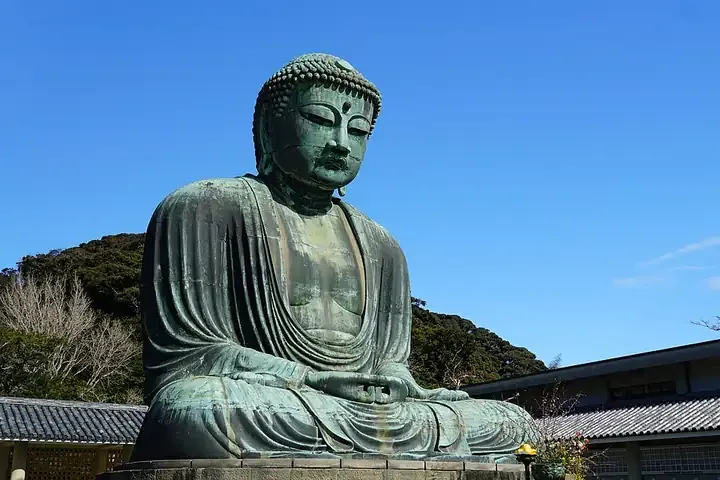
Kotoku-in / 663highland · CC BY-SA 4.0
Kanagawa · suggested length: 2 days, 1 night
Kamakura History: The First Samurai Capital in 7 Places
Kamakura in three lines
- In 1180, Minamoto no Yoritomo made his base at Kamakura, enclosed by mountains and the sea.
- The samurai town was laid out along Wakamiya Oji, the avenue running from Tsurugaoka Hachimangu to the sea.
- It was the place where the samurai first set up their own government, separate from the court nobles of Kyoto.
On a narrow piece of land with mountains on three sides and the sea on the fourth, the samurai set up their own government for the first time.
Planned and checked by Waka Travel (Japan) ·
The samurai's first capital, protected by mountains and sea
Kamakura is closed in by mountains to the north, east and west, and by the sea to the south. Minamoto no Yoritomo made it his base and laid out the town along Wakamiya Oji, the avenue running straight from Tsurugaoka Hachimangu to the sea. The main roads in and out were "kiridoshi," passes cut through the hills. Away from Kyoto and its court nobles, this is where the samurai first governed in their own way.
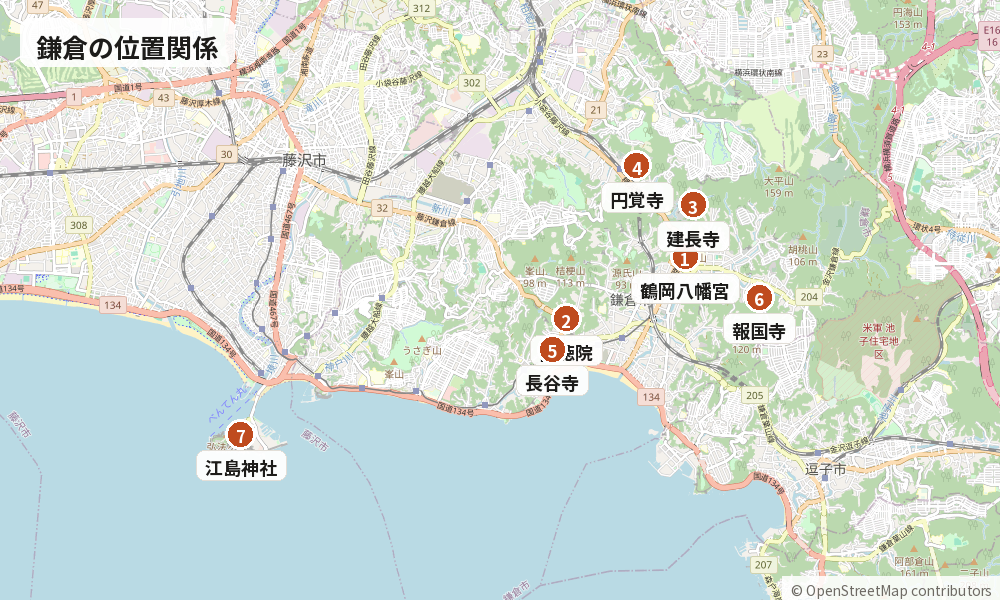
What each place tells you
1Tsurugaoka Hachimangu 鶴岡八幡宮Day 2
When Minamoto no Yoritomo entered Kamakura in 1180, he moved the Hachiman shrine that stood near Yuigahama to its present site, then built Wakamiya Oji, the approach running straight from the sea to the shrine. Placing the shrine on the town's central axis was the start of Kamakura's town planning. Walking along Wakamiya Oji, you can see that the whole town was built to face this shrine.
2Kotoku-in 高徳院Day 1
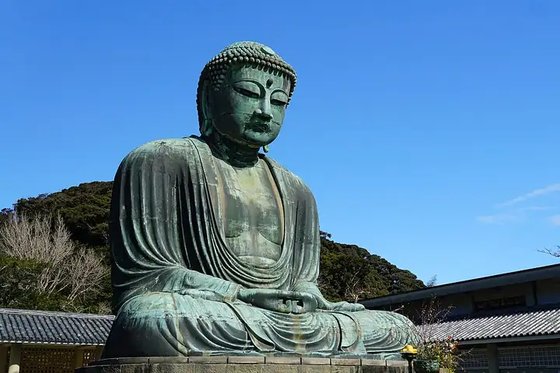
The temple of Kamakura's Great Buddha. Casting is said to have begun in 1252. The statue once sat inside a hall, but storms and other disasters brought the hall down again and again in the 14th century, and a visitor in 1486 wrote of a Buddha sitting with no roof over it. The Great Buddha sits under the open sky today because the hall was lost and never rebuilt.
3Kencho-ji 建長寺Day 2
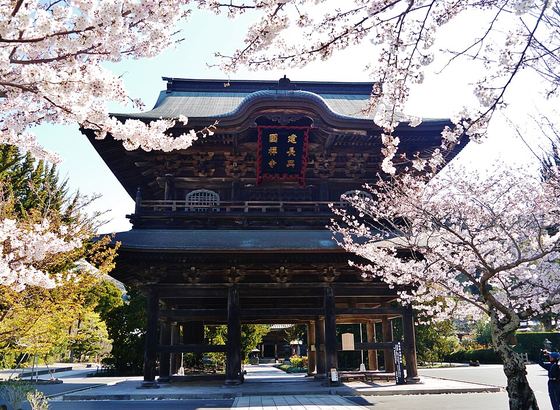
Founded in 1253 by the regent Hojo Tokiyori, who invited the Chinese Zen monk Lanxi Daolong to be its first abbot. It was built as a training monastery devoted purely to Zen, and it shows that the samurai looked to Zen, newly arrived from across the sea, rather than to Kyoto's older Buddhism for spiritual support.
4Engaku-ji Temple 円覚寺Day 2
Founded in 1282 by the regent Hojo Tokimune. According to the temple, it was built to pray for those who died in the Mongol invasions, on both sides. Building a temple for the war dead so soon after fighting a foreign army says a lot about how the samurai of the time thought.
5Hase-dera 長谷寺Day 1
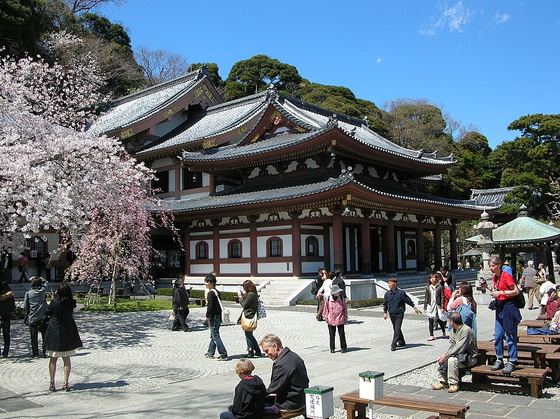
A temple on a hillside overlooking the sea. From the grounds you can see Yuigahama and Sagami Bay, and Kamakura's place between mountains and sea is clear at a glance.
6Hokoku-ji Temple 報国寺Day 2
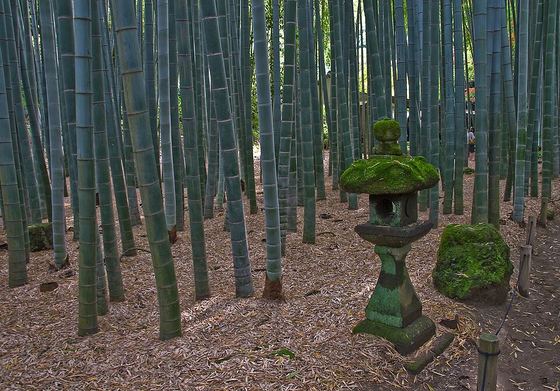
A Zen temple at the back of a valley in eastern Kamakura, known for its bamboo garden. With so little flat land in Kamakura, temples and residences pushed back into narrow valleys ringed by hills. Walking up the valley from the town center, you feel how closely the mountains hem Kamakura in.
7Enoshima Shrine 江島神社Day 1
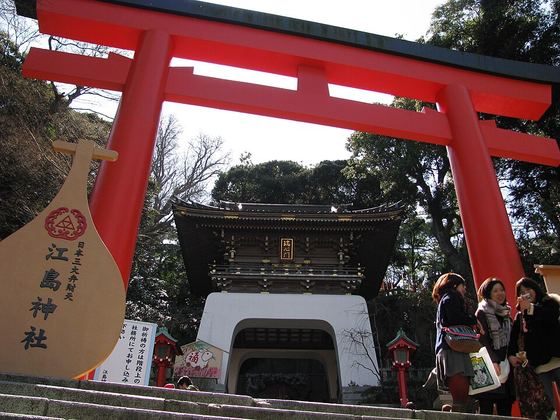
At very low tide, Enoshima is sometimes joined to the mainland by a sandbar (a tombolo). The Kamakura-period chronicle Azuma Kagami records that in 1216 people could walk across. A sea deity has long been worshipped on this island, where the line between sea and land shifts with the tide.
After you've seen them all
By the end, the shape of the mountains, the sea and the roads tells you why the samurai government was placed on this narrow land. The Great Buddha and the Zen temples are traces too, of what the samurai believed in and whom they wished to mourn.
Visiting these 7 places in the shortest order
2 days, 1 night, with 3 h 50 min of travel in total. Stay at Yuigahama Station area.
- Day 1 Enoshima Shrine → Hase-dera → Kotoku-in
- Day 2 Hokoku-ji Temple → Engaku-ji Temple → Kencho-ji → Tsurugaoka Hachimangu
For arrival times at every stop, see the Kamakura itinerary.
More stories
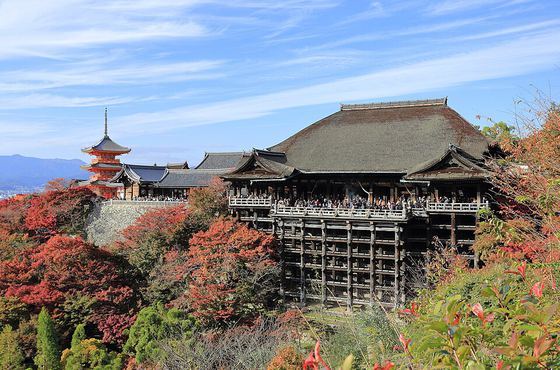 KyotoKyotoA thousand years of a city rebuilt by whoever held powerEach time power changed hands, whoever took over left their own answer in the same basin. In Kyoto, those answers still stand side by side.15 places · 3 days, 2 nights
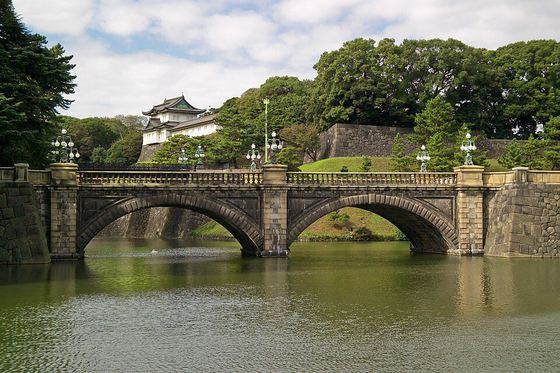 TokyoTokyoA city made by reshaping the landThis was wetland. People dug it out, filled it in and turned it into a city, and the marks of that work are still the shape of Tokyo today.14 places · 3 days, 2 nights
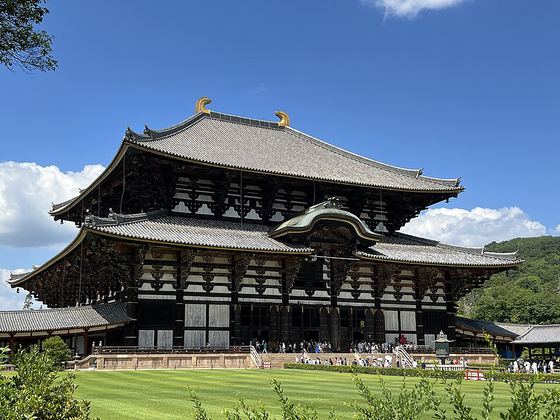 NaraNaraWhere Japan tried to become a nation-stateHere you can still see the real thing: what remains from the years when Japan was being put together as a country.9 places · 2 days, 1 night
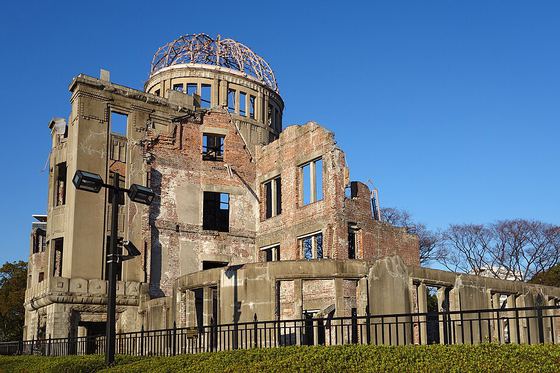 HiroshimaHiroshima & MiyajimaA place where people twice chose to preserveA city that was destroyed, and a shrine built out over the sea so that the island would not be harmed. Both lie on the same bay.10 places · 2 days, 1 night
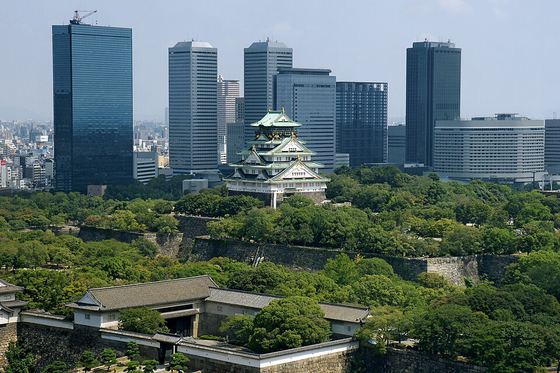 OsakaOsakaA hub known as the "nation's kitchen"Where goods gather, a system grows up to handle them, and so does a culture of people who make money from them.10 places · 2 days, 1 night
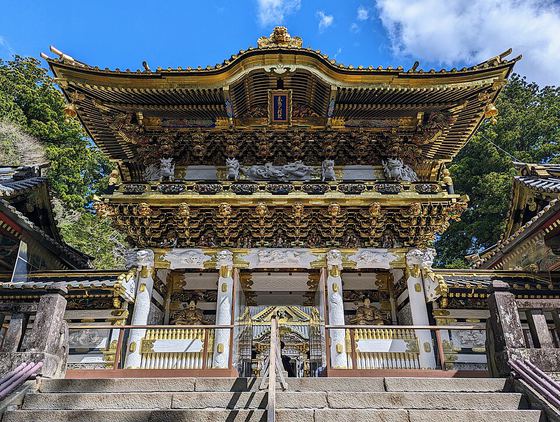 NikkoNikkoWhere mountain worship meets a god made for politicsOn a mountain that was already sacred, a shrine was added that turned a man into a god.9 places · 2 days, 1 night
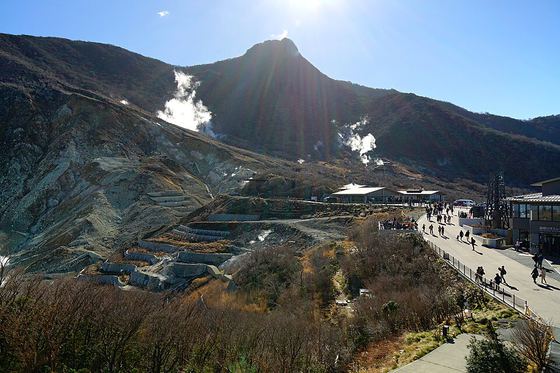 HakoneHakoneWhere the landscape shaped the rulesThe rugged land a volcano left behind became, just as it was, a line of defense for Edo.9 places · 2 days, 1 night
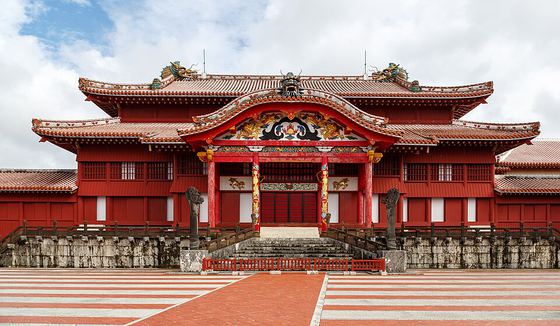 OkinawaOkinawaA kingdom open to the sea, and what came afterThis was an independent kingdom, with a culture that was neither Japanese nor Chinese.10 places · 3 days, 2 nights
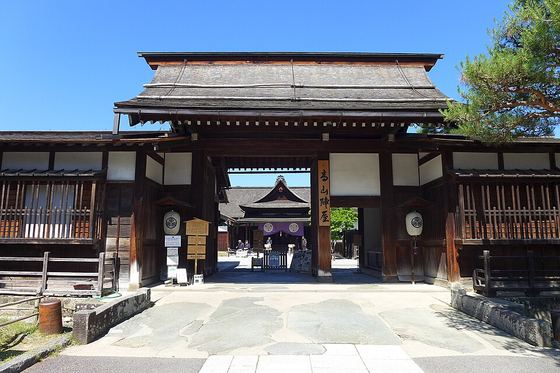 GifuTakayama & Shirakawa-goTwo ways of living in a land shut in by mountainsDeep in the mountains, Takayama grew up around the shogunate's government office, while Shirakawa-go made its living from work done in the attic.7 places · 2 days, 1 night
 KanazawaKanazawaAn Edo-period town plan, still visible because it was never destroyedA castle town the war never reached still keeps its original plan.11 places · 2 days, 1 night
 SapporoSapporoA city drawn up as national policyAbout 150 years ago, there was no city here. Sapporo was built from a blueprint.16 places · 3 days, 2 nights