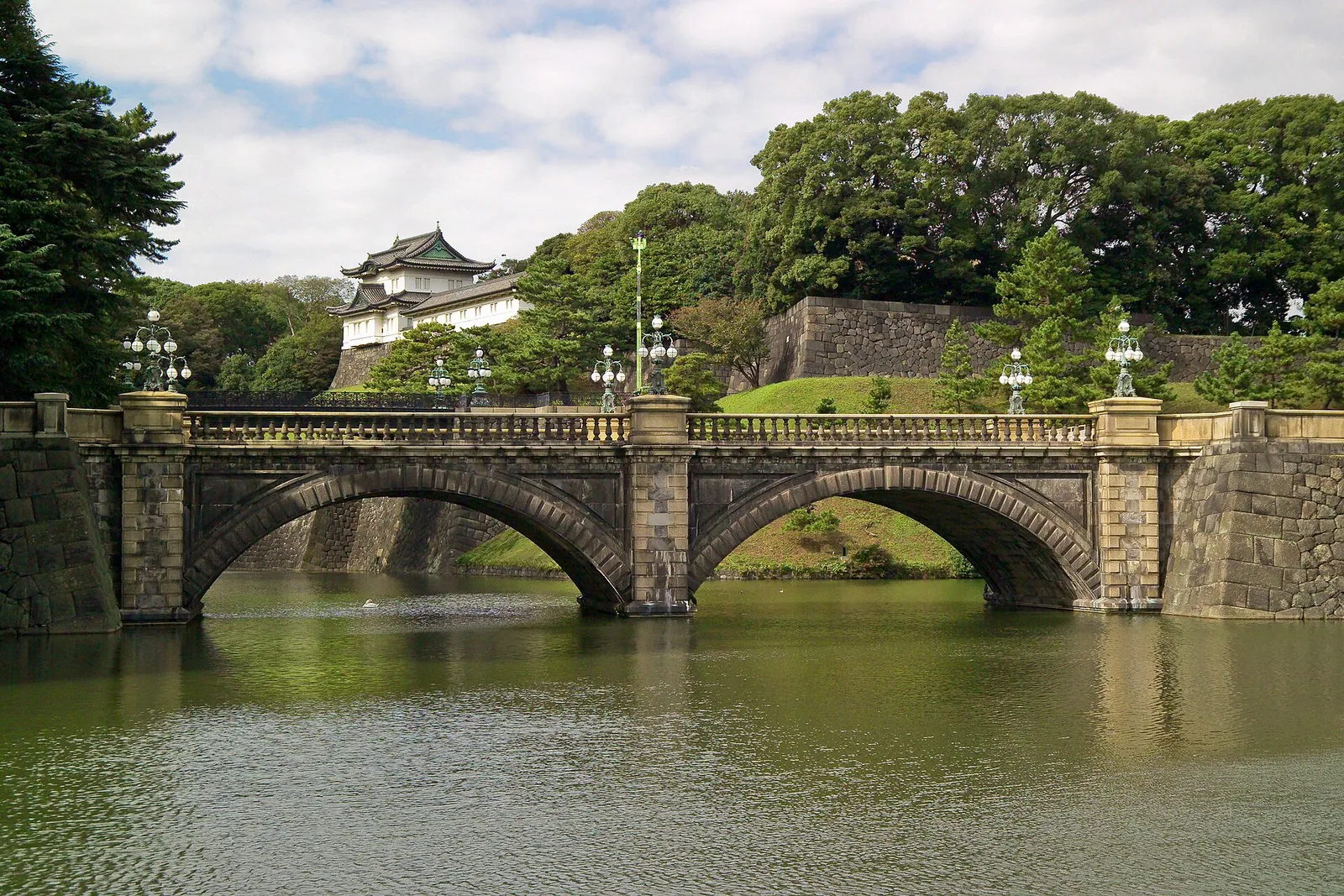
Imperial Palace / Fg2 · Public domain
Tokyo · suggested length: 3 days, 2 nights
How Edo Became Tokyo: The City's History in 14 Places
This was wetland. People dug it out, filled it in and turned it into a city, and the marks of that work are still the shape of Tokyo today.
Planned and checked by Waka Travel (Japan) ·
A city made by reshaping the land
When Tokugawa Ieyasu arrived, Edo was low, marshy ground, with the sea reaching in as far as present-day Hibiya. Moats were dug around the castle, the earth from them was used to fill the low ground, and goods moved along canals. Today's roads and waterways in Tokyo are the result of that engineering. To travel around Tokyo is to visit the sites where people rewrote the land itself.
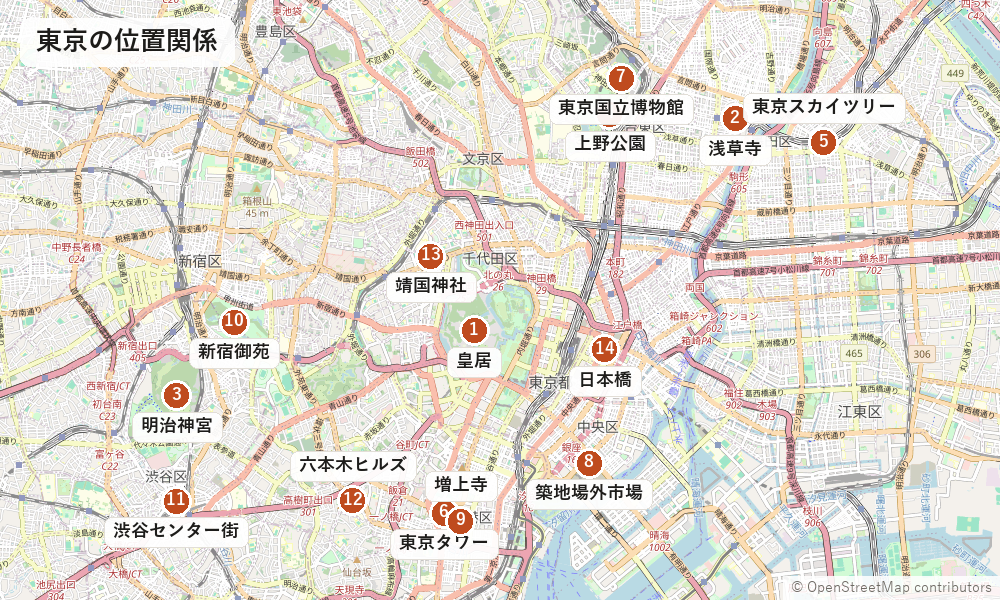
What each place tells you
1Imperial Palace 皇居Day 1
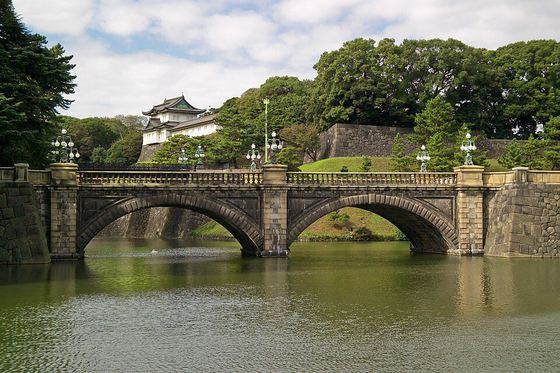
This is the site of Edo Castle. Beyond the inner moat there was once an outer moat, and the moats were extended outward in a spiral, with the town growing along them. Most of the outer moat was later filled in and turned into roads and railway lines, and you can still trace it in the way the streets of Chiyoda and Chuo wards run.
2Senso-ji 浅草寺Day 3
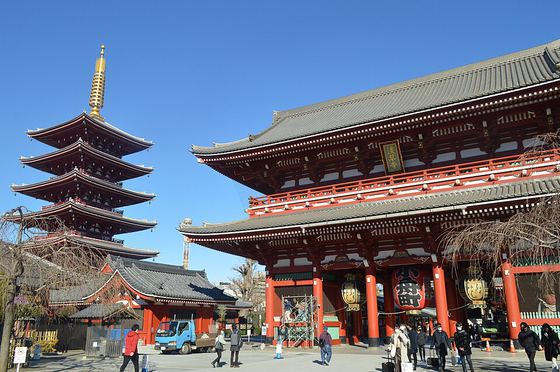
Senso-ji was here before Edo existed. Because it stood outside the castle town, it grew into a lively district for ordinary people. The difference between the planned castle town and an entertainment quarter that simply grew on its own still shows in how densely the area is packed.
3Meiji Jingu 明治神宮Day 2
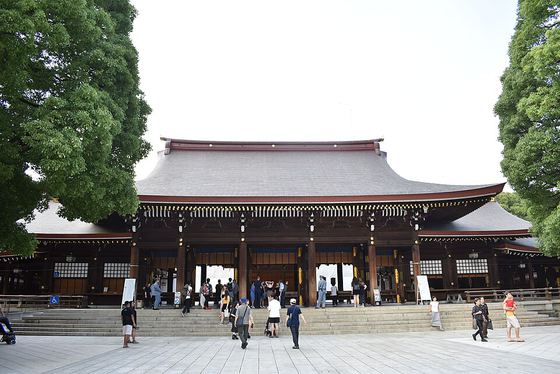
The forest here was planted by people. The tree species were chosen so that, over many years, it would come to resemble a natural forest. The idea of designing a forest and placing it in the middle of a city belongs to modern Japan.
4Ueno Park 上野公園Day 3
This land was once the grounds of Kan'ei-ji temple, and it became one of the very first parks in Japan. Museums and galleries are gathered here because the Meiji government made it a showcase for the country's push to modernize.
5Tokyo Skytree 東京スカイツリーDay 3
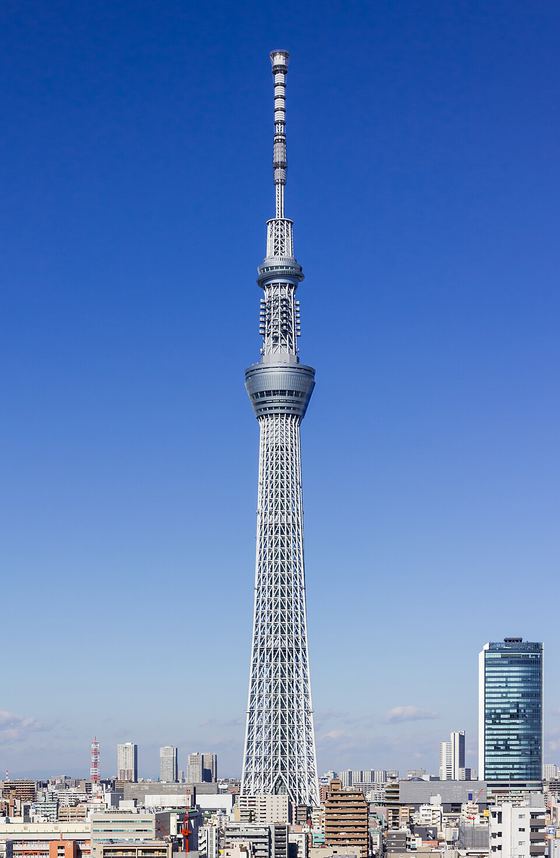
It went up because digital terrestrial broadcasting needed a tower taller than the clusters of high-rise buildings. The site chosen was the east bank of the Sumida River, the old working-class side of Edo, and that choice reflects how the city's center of gravity has shifted.
6Tokyo Tower 東京タワーDay 1
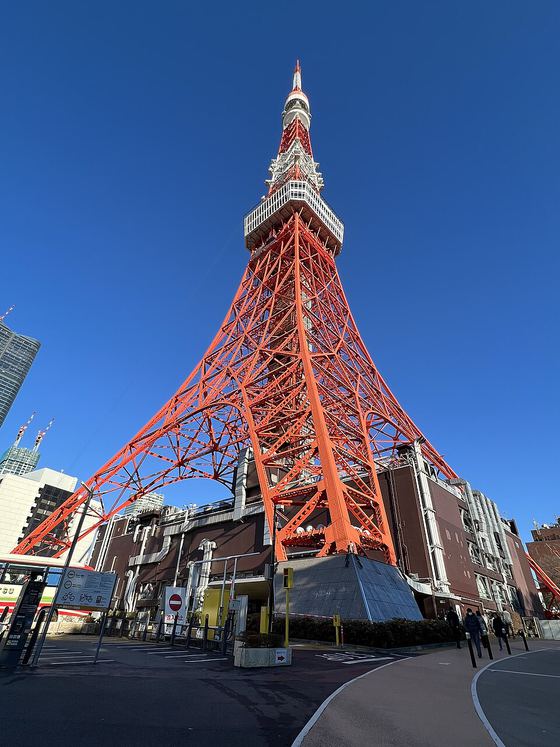
This broadcast tower dates from the years of postwar recovery. It worked because, at the time, nothing around it was taller. See it together with Skytree and you can tell how much higher and denser Tokyo has become.
7Tokyo National Museum 東京国立博物館If you have time
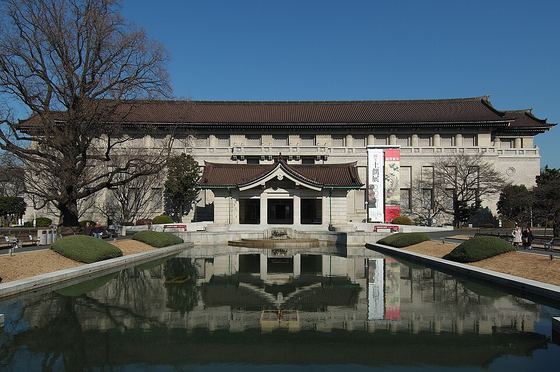
Inside Ueno Park stands the largest museum in Japan. The very fact that objects gathered from all over the country sit together in one place shows how the modern state put together a story of the nation's history.
8Tsukiji Outer Market 築地場外市場Day 1
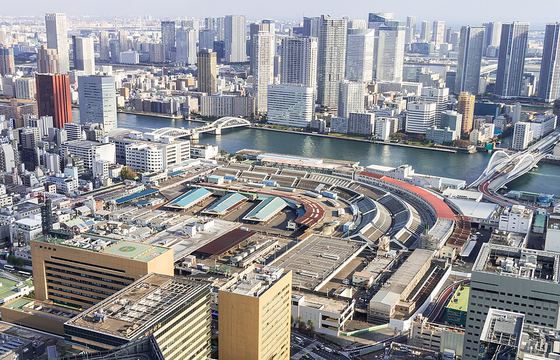
After the Great Kanto Earthquake, the fish market moved from Nihonbashi to Tsukiji. The market itself moved on to Toyosu in 2018, but the shops of the outer market stayed. It shows where a city that once moved its goods by water chose to keep its kitchen.
9Zojo-ji 増上寺Day 1
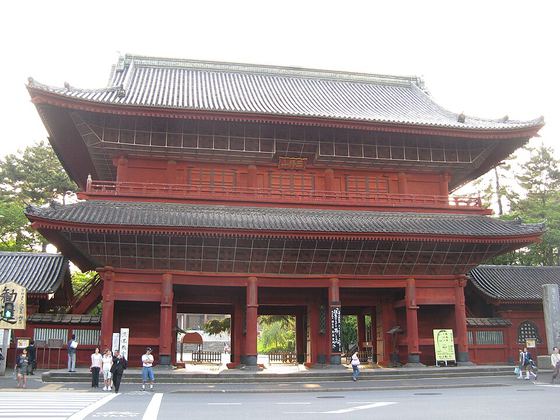
This was the family temple of the Tokugawa shoguns. Tokyo Tower rises right behind it, so the shoguns' graves and a postwar broadcast tower fit into the same view. It is a place where everything this city has piled up over time fits into a single frame.
10Shinjuku Gyoen National Garden 新宿御苑If you have time
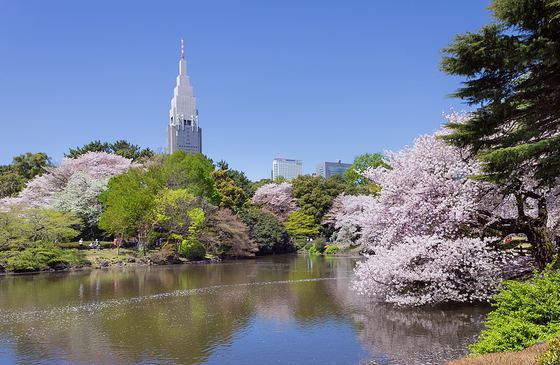
It began as the Edo residence of the Takato domain from Shinshu, and later became an imperial garden. The grounds of a feudal lord's estate survived as green space, and that is the story behind many of the large parks scattered across Tokyo.
11Shibuya Center-gai 渋谷センター街Day 2
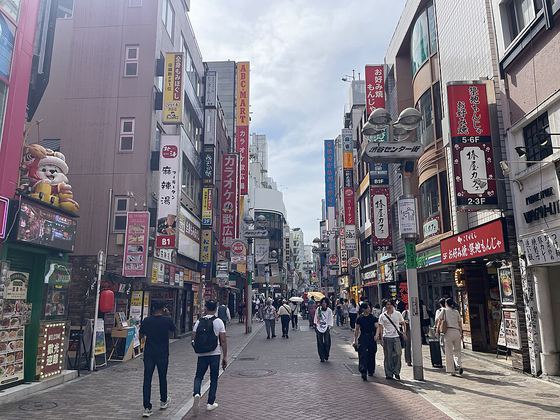
This street sits at the bottom of a valley. As the name says (the 'ya' in Shibuya means valley), the station lies in the hollow, and people walk downhill into it from every side. The reason crowds gather here comes from the landform before it comes from the shops.
12Roppongi Hills 六本木ヒルズDay 2
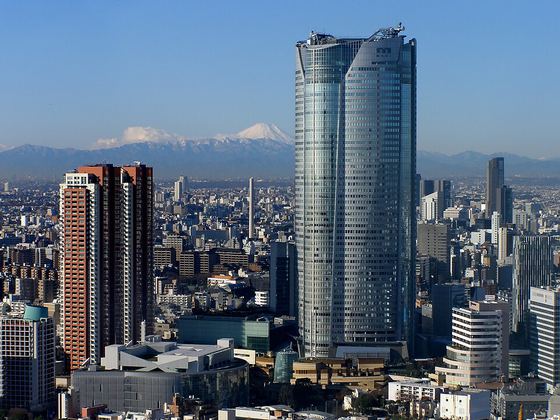
After the war, American military facilities were placed in this area, and from there it grew into a neighborhood for foreigners. The high-rise district you see came from redevelopment, but the reason this spot was chosen goes back to the occupation years.
13Yasukuni Shrine 靖国神社If you have time
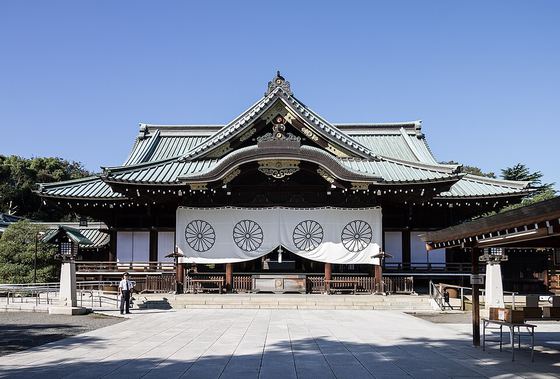
This shrine was created by the state to enshrine those who died in wars from the Meiji era onward. It is not a shrine to a local god who had long belonged to the land, but a facility set up because the modern state needed it, and that makes it fundamentally different from other shrines.
14Nihonbashi 日本橋If you have time
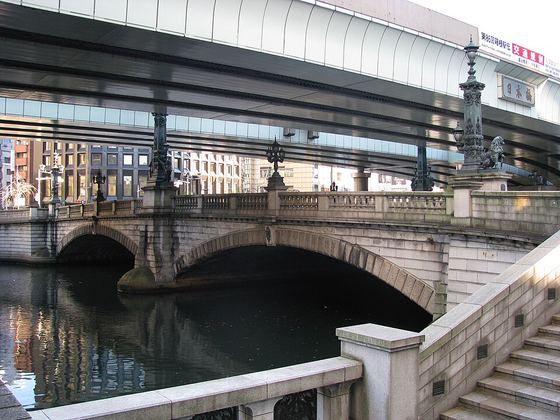
Nihonbashi was the starting point of the Five Routes, the main highways of the Edo period, and road distances are still measured from here. An expressway now covers the bridge because a road was run over the river for the Tokyo Olympics. The old starting point has been overwritten by the starting point of the next era.
After you've seen them all
By the end, you see that Tokyo is not land that was simply there, but a city that was dug out and filled in. Why the roads bend, why a river suddenly disappears: these are traces of that work.
Visiting these 10 places in the shortest order
3 days, 2 nights, with 6 h 5 min of travel in total. Stay at Tameike-sanno Station area → Asakusa Station area.
- Day 1 Imperial Palace → Tsukiji Outer Market → Zojo-ji → Tokyo Tower
- Day 2 Roppongi Hills → Shibuya Center-gai → Meiji Jingu
- Day 3 Senso-ji → Tokyo Skytree → Ueno Park
If you have time: Tokyo National Museum, Shinjuku Gyoen National Garden, Yasukuni Shrine, Nihonbashi (covered in the story, but left out of the route to keep each day manageable).
For arrival times at every stop, see the Tokyo itinerary.
More stories
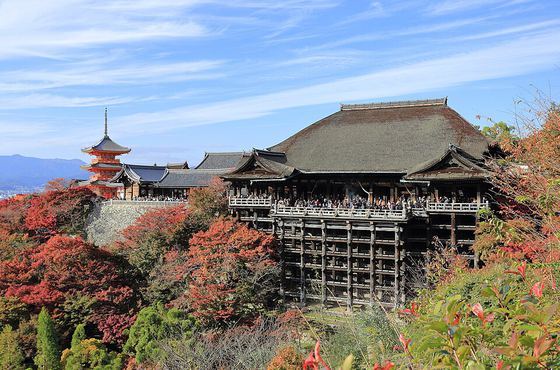 KyotoKyotoA thousand years of a city rebuilt by whoever held powerEach time power changed hands, whoever took over left their own answer in the same basin. In Kyoto, those answers still stand side by side.15 places · 3 days, 2 nights
 NaraNaraWhere Japan tried to become a nation-stateHere you can still see the real thing: what remains from the years when Japan was being put together as a country.9 places · 2 days, 1 night
 HiroshimaHiroshima & MiyajimaA place where people twice chose to preserveA city that was destroyed, and a shrine built out over the sea so that the island would not be harmed. Both lie on the same bay.10 places · 2 days, 1 night