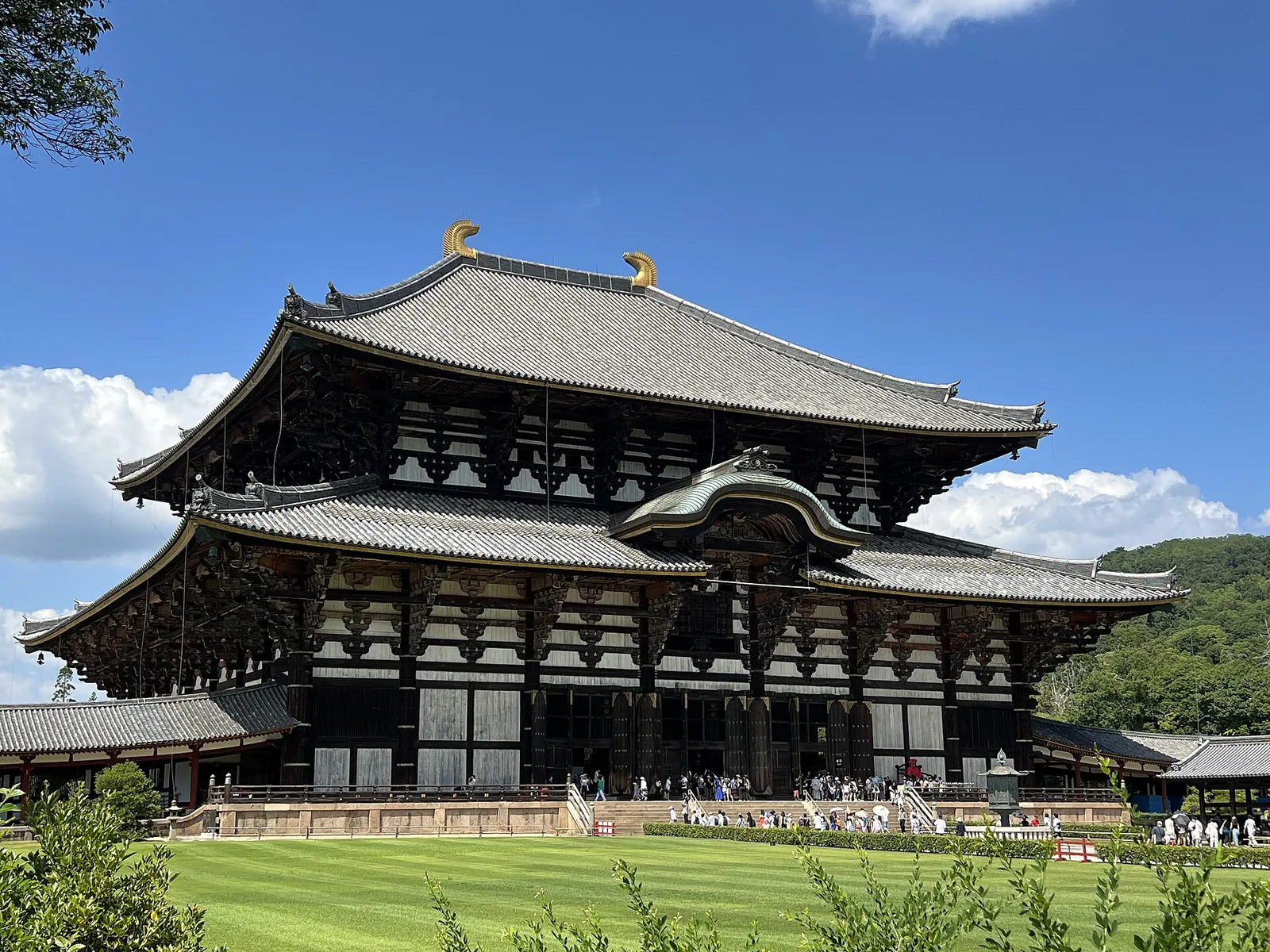
Todai-ji / Mont Blank rich · CC0
Nara · suggested length: 2 days, 1 night
Nara History for Travelers: Where Japan Built a State
Here you can still see the real thing: what remains from the years when Japan was being put together as a country.
Planned and checked by Waka Travel (Japan) ·
Where Japan tried to become a nation-state
While the capital was in Nara, Japan was working to give itself the shape of a state, with laws and government offices modeled on China's. Buddhism was one of the tools for doing it. So Nara's temples are places of faith, but they are also the remains of national projects. Here you see the period before Kyoto, when the foundations were being laid.
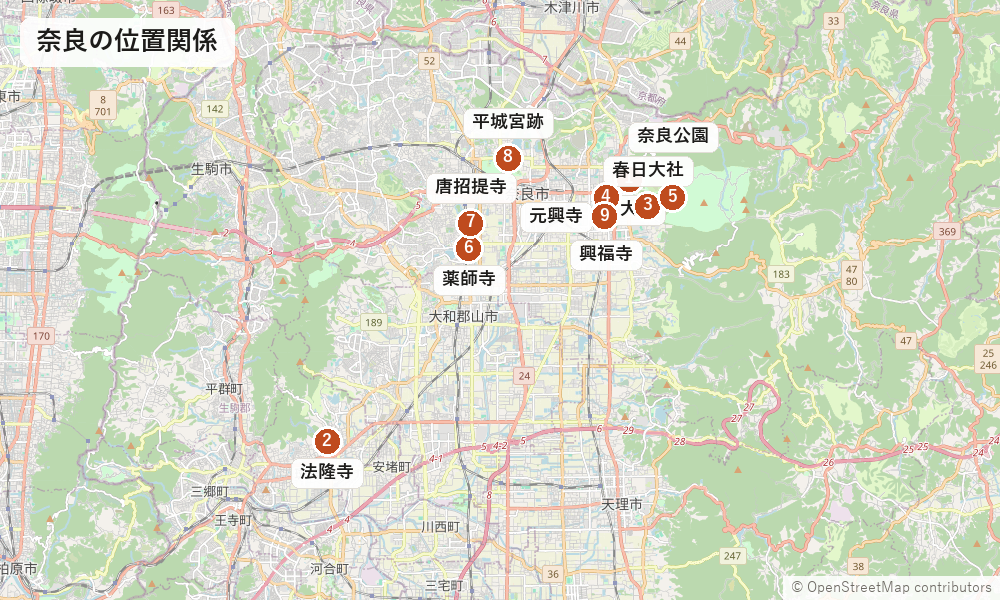
What each place tells you
1Todai-ji 東大寺Day 1
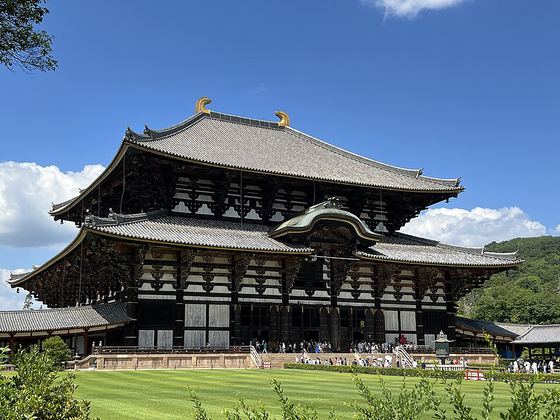
Emperor Shomu had the Great Buddha made as a project of the state. Epidemics and political upheaval kept coming, and the country needed a symbol that could hold it together. It is a story about faith, and just as much a story about how to govern.
2Horyu-ji 法隆寺Day 2
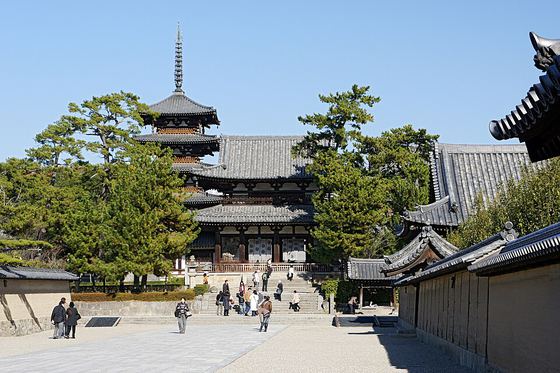
This is one of the oldest groups of wooden buildings still standing anywhere in the world. Its first temple complex, the Wakakusa garan, burned down in 670, and the Golden Hall and five-story pagoda you see today are thought to have been rebuilt afterward, between the late 7th and early 8th centuries. Even so, the fact remains: a wooden framework from 1300 years ago is still on its feet. You can see, with your own eyes, techniques and styles from before the Nara period.
3Kasuga Taisha 春日大社Day 1
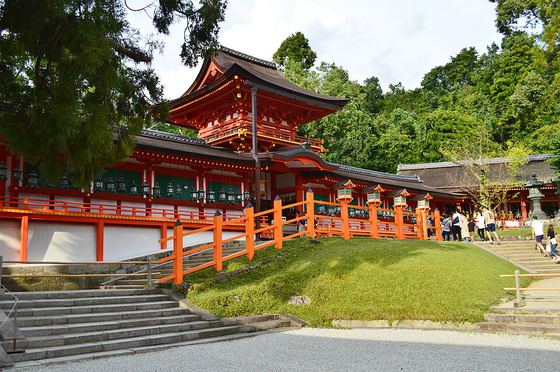
The shrine honors the clan gods of the Fujiwara. Not the imperial family, but one particular family had a shrine on this scale placed in the capital. The standing of the shrine buildings shows who actually held power.
4Kofuku-ji 興福寺Day 1
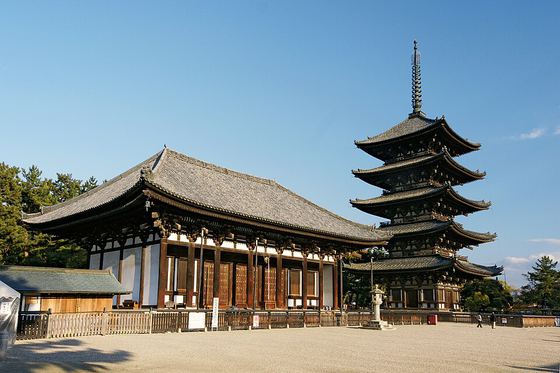
This, too, was a Fujiwara temple. The shrine (Kasuga Taisha) and the temple (Kofuku-ji) were run together as one. It shows what things really looked like in an age that did not separate gods from buddhas.
5Nara Park 奈良公園If you have time
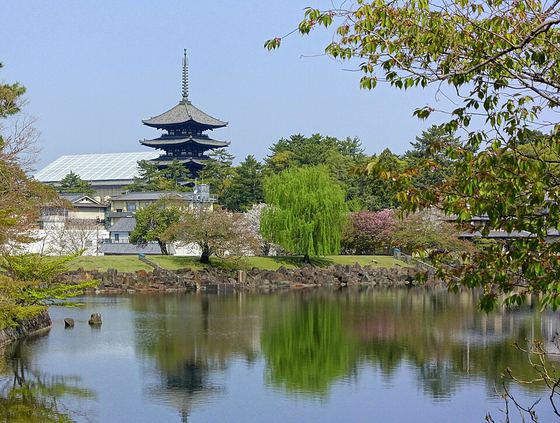
The deer are regarded as messengers of the god of Kasuga Taisha, and they have been protected for that reason. That wild animals have lived alongside a town for so long is itself proof that faith has worked as a real system here.
6Yakushi-ji 薬師寺Day 2
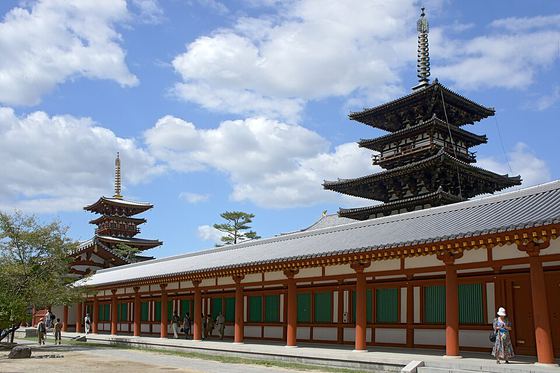
Emperor Tenmu built this temple, praying for the empress to recover from illness. Only the East Pagoda survives from the founding; the West Pagoda beside it was rebuilt in the Showa era. Look at the two side by side, and the difference in their colors spans thirteen hundred years.
7Toshodai-ji 唐招提寺If you have time
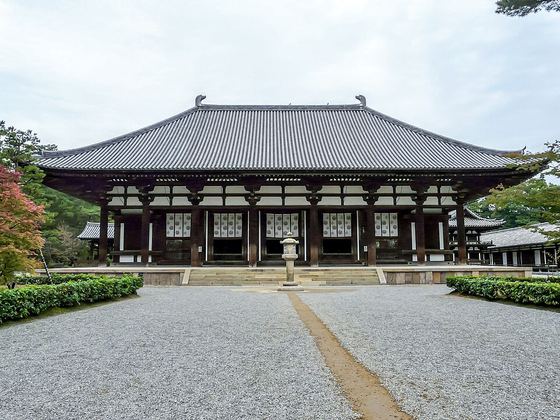
Ganjin, a monk who came from Tang China, founded this temple. He failed to make the crossing again and again, and finally reached Japan after losing his sight. This is the temple he built, and it shows what Japan hoped to gain by bringing people like him across the sea.
8Nara Palace Site 平城宮跡If you have time
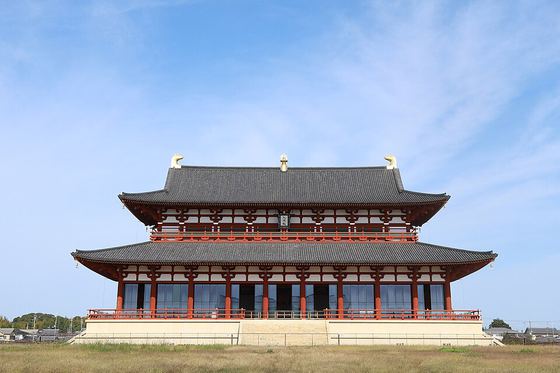
This was the heart of the capital in the Nara period. Today it is a wide open field, and that empty space lets you feel how much room a capital needed.
9Gango-ji 元興寺If you have time
This temple was moved from Asuka to the new capital at Heijo-kyo. Roof tiles from the Asuka period are still mixed in among those on its roofs. The very idea of moving an entire capital, and the traces of that move, survive up on the roof.
After you've seen them all
By the end, you can feel that before Kyoto there was a time when Japan was trying to build the shape of a country. The great temples were products of devotion, and products of policy as well.
Visiting these 5 places in the shortest order
2 days, 1 night, with 3 h 55 min of travel in total. Stay at Kintetsu-Nara Station area.
- Day 1 Kofuku-ji → Todai-ji → Kasuga Taisha
- Day 2 Horyu-ji → Yakushi-ji
If you have time: Nara Park, Toshodai-ji, Nara Palace Site, Gango-ji (covered in the story, but left out of the route to keep each day manageable).
For arrival times at every stop, see the Nara itinerary.
More stories
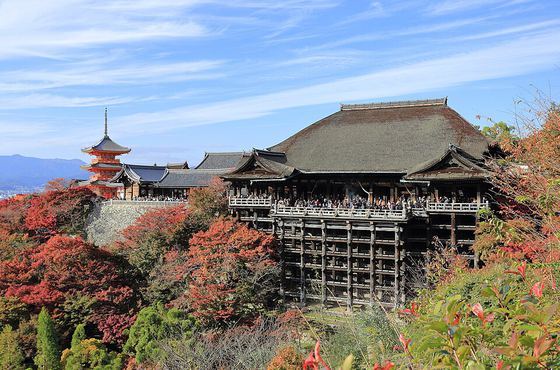 KyotoKyotoA thousand years of a city rebuilt by whoever held powerEach time power changed hands, whoever took over left their own answer in the same basin. In Kyoto, those answers still stand side by side.15 places · 3 days, 2 nights
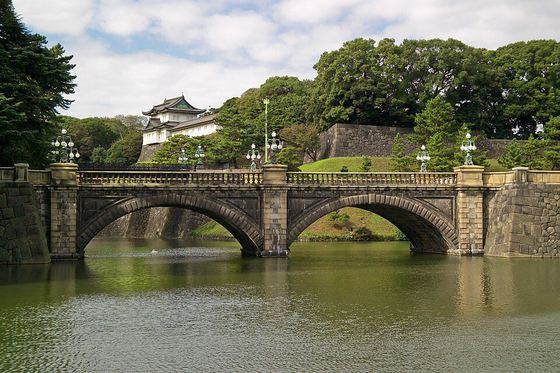 TokyoTokyoA city made by reshaping the landThis was wetland. People dug it out, filled it in and turned it into a city, and the marks of that work are still the shape of Tokyo today.14 places · 3 days, 2 nights
 HiroshimaHiroshima & MiyajimaA place where people twice chose to preserveA city that was destroyed, and a shrine built out over the sea so that the island would not be harmed. Both lie on the same bay.10 places · 2 days, 1 night