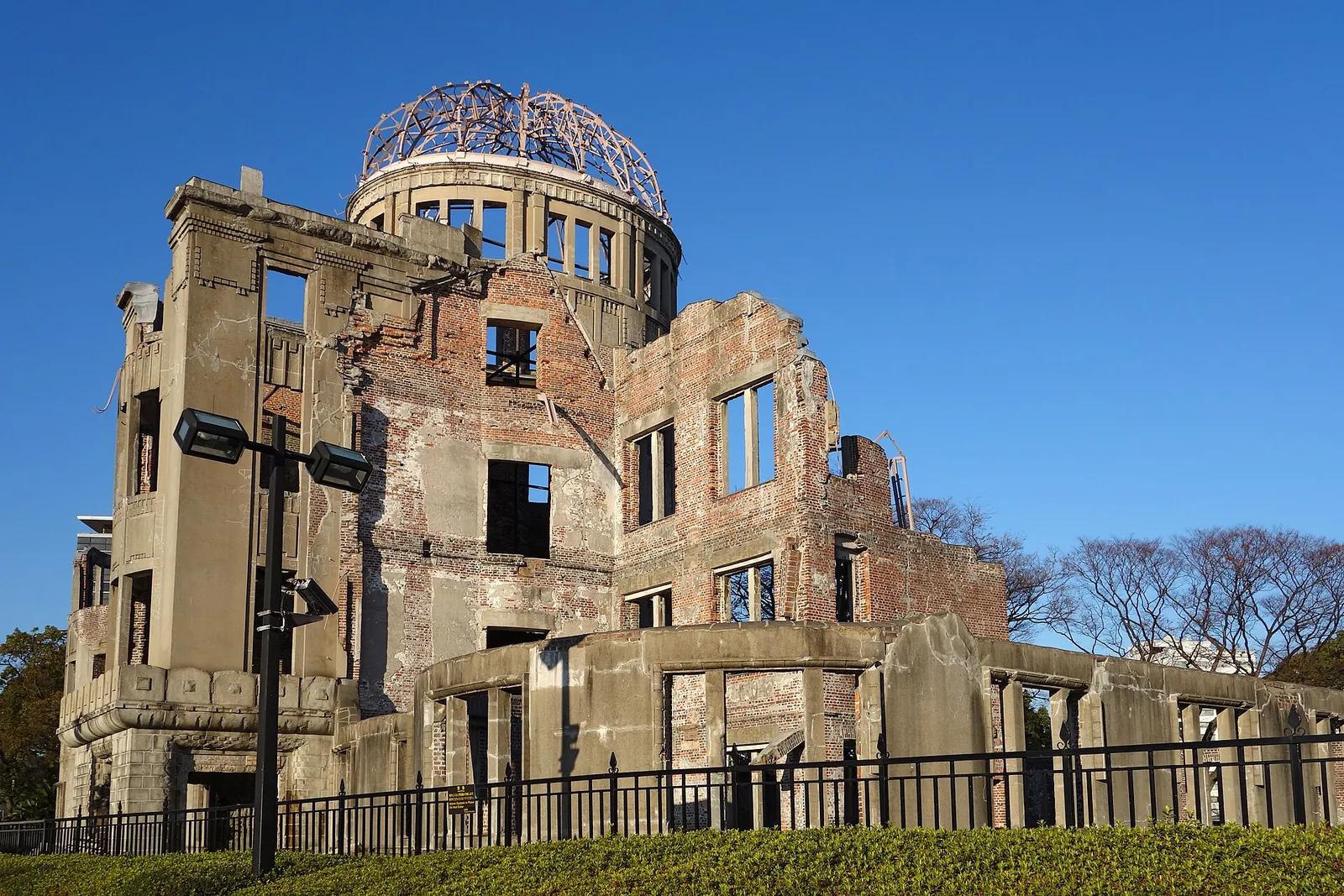
Atomic Bomb Dome / Oilstreet · CC BY 2.5
Hiroshima · suggested length: 2 days, 1 night
Hiroshima & Miyajima History: Peace Park and Floating Shrine
A city that was destroyed, and a shrine built out over the sea so that the island would not be harmed. Both lie on the same bay.
Planned and checked by Waka Travel (Japan) ·
A place where people twice chose to preserve
Two things in Hiroshima were left as they are on purpose. One is the decision not to tear down a building burned by the atomic bomb, but to keep it. The other is the decision to treat the island itself as sacred, and not to build the shrine on its land. The reasons could hardly be more different, yet both were a choice to leave something untouched.
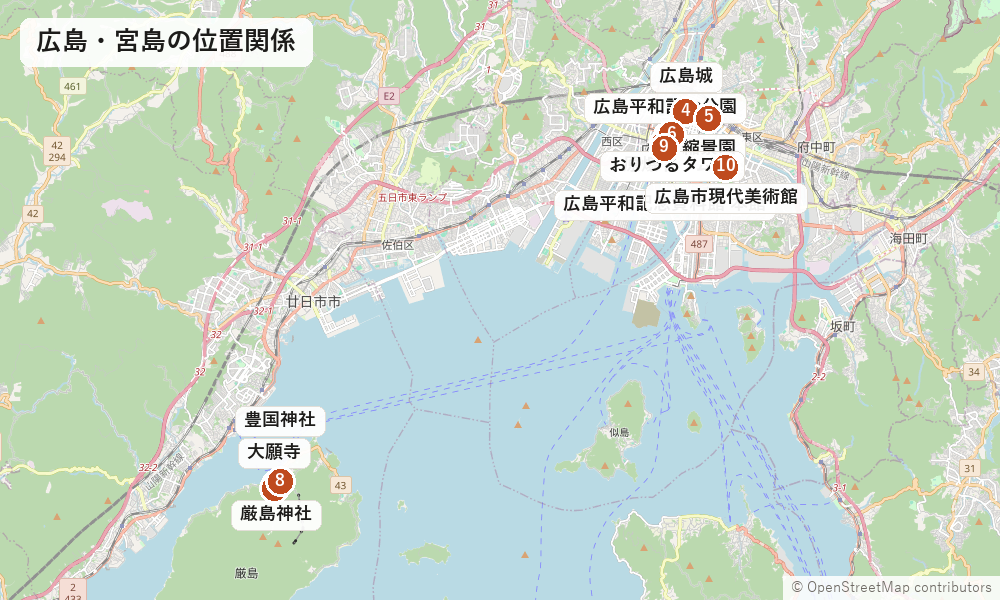
What each place tells you
1Atomic Bomb Dome 原爆ドームDay 1
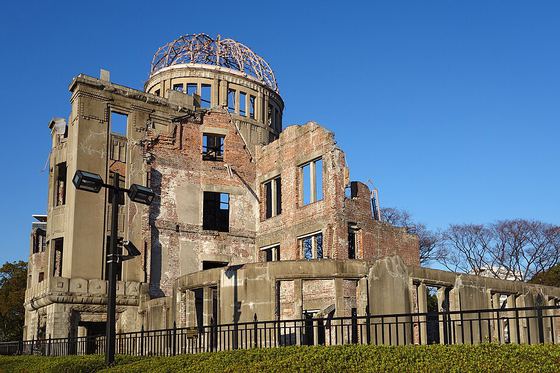
The building was originally the Hiroshima Prefectural Industrial Promotion Hall, a place for exhibiting local products. After the war there was debate over whether to tear it down or keep it, and it was kept. Ruins do not survive on their own. This one remains because people decided it should.
2Hiroshima Peace Memorial Park 広島平和記念公園Day 1
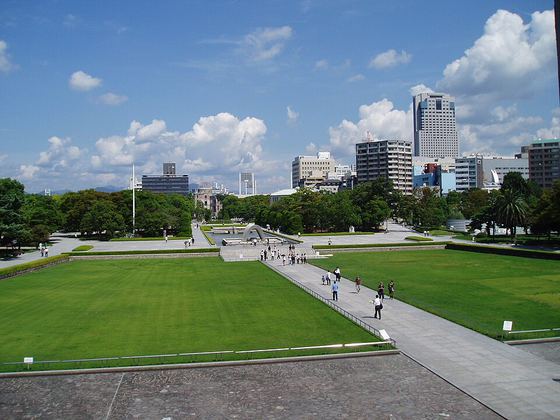
The park was designed by the architect Kenzo Tange, with a straight axis running from the Cenotaph to the Atomic Bomb Dome. It shows that this space for remembrance was created through deliberate design.
3Itsukushima Shrine 厳島神社Day 2
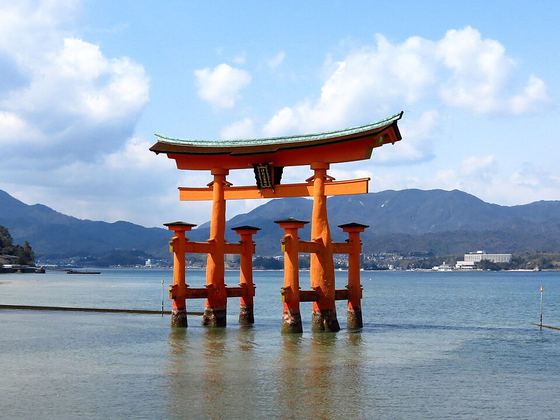
The shrine buildings stand over the sea because the island itself was held to be a place where a god dwells, and cutting into its land to build was avoided. Faith set the limits for the architecture, and that is how the shrine came to have its form.
4Hiroshima Castle 広島城If you have time
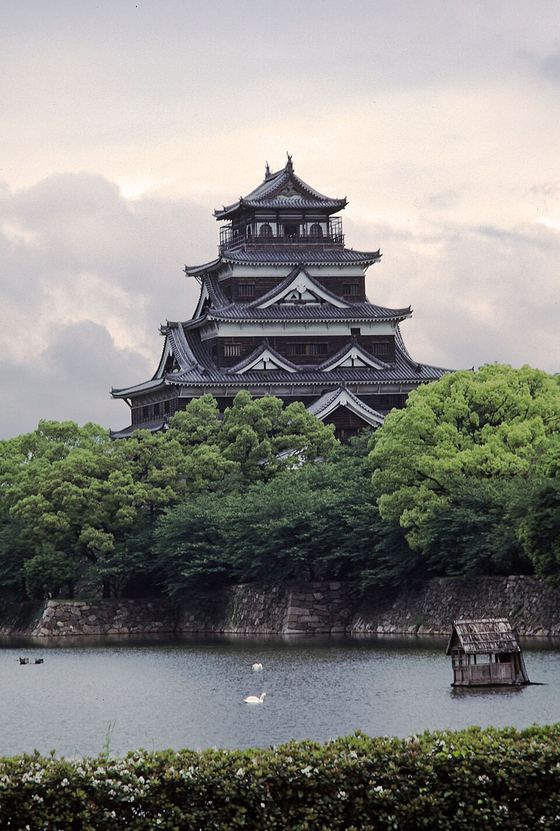
The Mori clan built this castle on the delta of the Ota River. It reminds you that the city of Hiroshima itself sits on soil carried down by rivers. The castle collapsed in the atomic bombing and was rebuilt after the war.
5Shukkeien Garden 縮景園If you have time
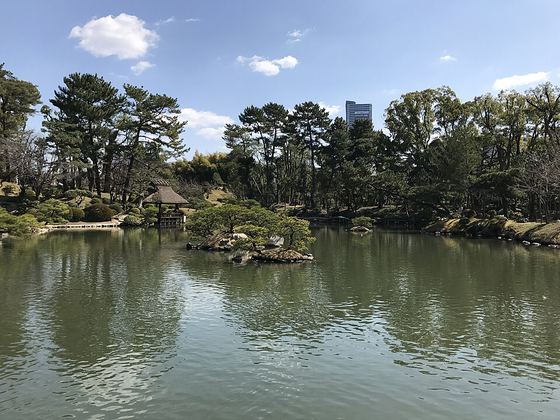
This was the garden of the lords of the Hiroshima domain. It too was struck by the bombing, but its trees survived and grew back. Here you can see the city's recovery through its plants.
6Hiroshima Orizuru Tower おりづるタワーDay 2
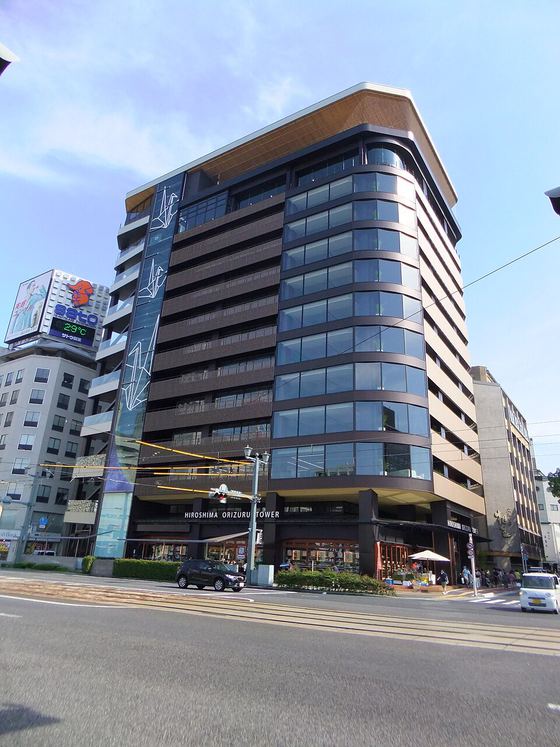
This observation building stands next to the Atomic Bomb Dome. From the top, you can see how the city was rebuilt across the river delta.
7Daigan-ji 大願寺Day 2
This temple has long been in charge of repairing and building Itsukushima Shrine. Shrine buildings that stand in the sea need constant care, and a system to provide it. This is where the people behind that work were.
8Toyokuni Shrine (Senjokaku) 豊国神社Day 2
This great sutra hall was built on the orders of Toyotomi Hideyoshi. Work stopped when he died, and four hundred years have passed with no ceiling and no walls. Because it was left unfinished, you can see the bare framework of a wooden building just as it is.
9Hiroshima Peace Memorial Museum Main Building 広島平和記念資料館 本館Day 1
Designed by Kenzo Tange, the building is raised up on pilotis. Walk underneath it, and the Cenotaph and the Atomic Bomb Dome line up straight ahead of you. The building itself tells you what it was placed there to show.
10Hiroshima City Museum of Contemporary Art 広島市現代美術館If you have time
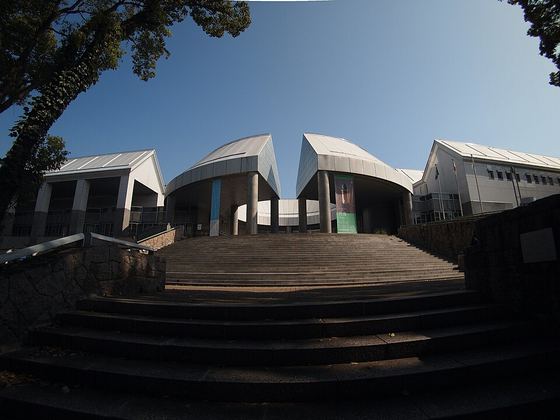
The museum stands on top of Hijiyama hill. It shows what a city that suffered the atomic bombing chose to create anew after the war.
After you've seen them all
By the end, you understand that decisions about what to preserve have shaped how this place looks. Keeping what was destroyed, and leaving something untouched from the start: both were choices people made.
Visiting these 7 places in the shortest order
2 days, 1 night, with 3 h 47 min of travel in total. Stay at Miyajima-cho area.
- Day 1 Atomic Bomb Dome → Hiroshima Peace Memorial Park → Hiroshima Peace Memorial Museum Main Building
- Day 2 Toyokuni Shrine (Senjokaku) → Itsukushima Shrine → Daigan-ji → Hiroshima Orizuru Tower
If you have time: Hiroshima Castle, Shukkeien Garden, Hiroshima City Museum of Contemporary Art (covered in the story, but left out of the route to keep each day manageable).
For arrival times at every stop, see the Hiroshima & Miyajima itinerary.
More stories
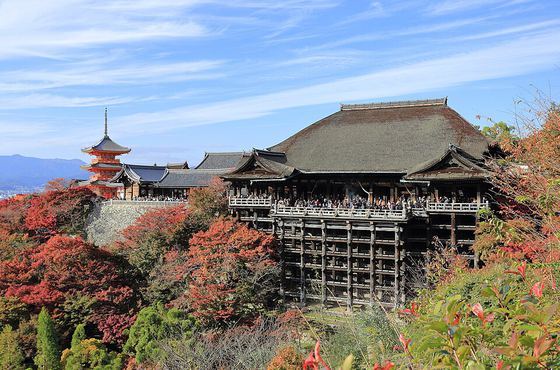 KyotoKyotoA thousand years of a city rebuilt by whoever held powerEach time power changed hands, whoever took over left their own answer in the same basin. In Kyoto, those answers still stand side by side.15 places · 3 days, 2 nights
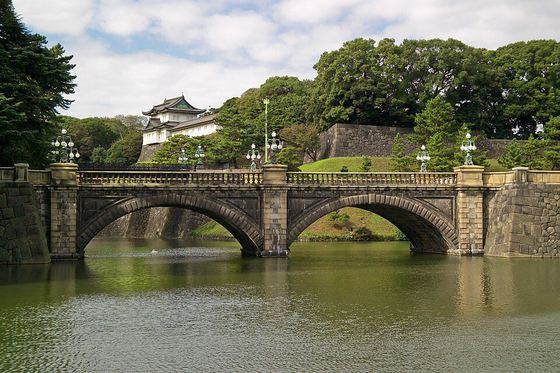 TokyoTokyoA city made by reshaping the landThis was wetland. People dug it out, filled it in and turned it into a city, and the marks of that work are still the shape of Tokyo today.14 places · 3 days, 2 nights
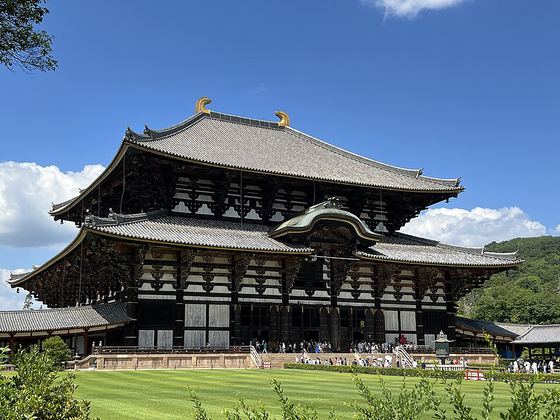 NaraNaraWhere Japan tried to become a nation-stateHere you can still see the real thing: what remains from the years when Japan was being put together as a country.9 places · 2 days, 1 night