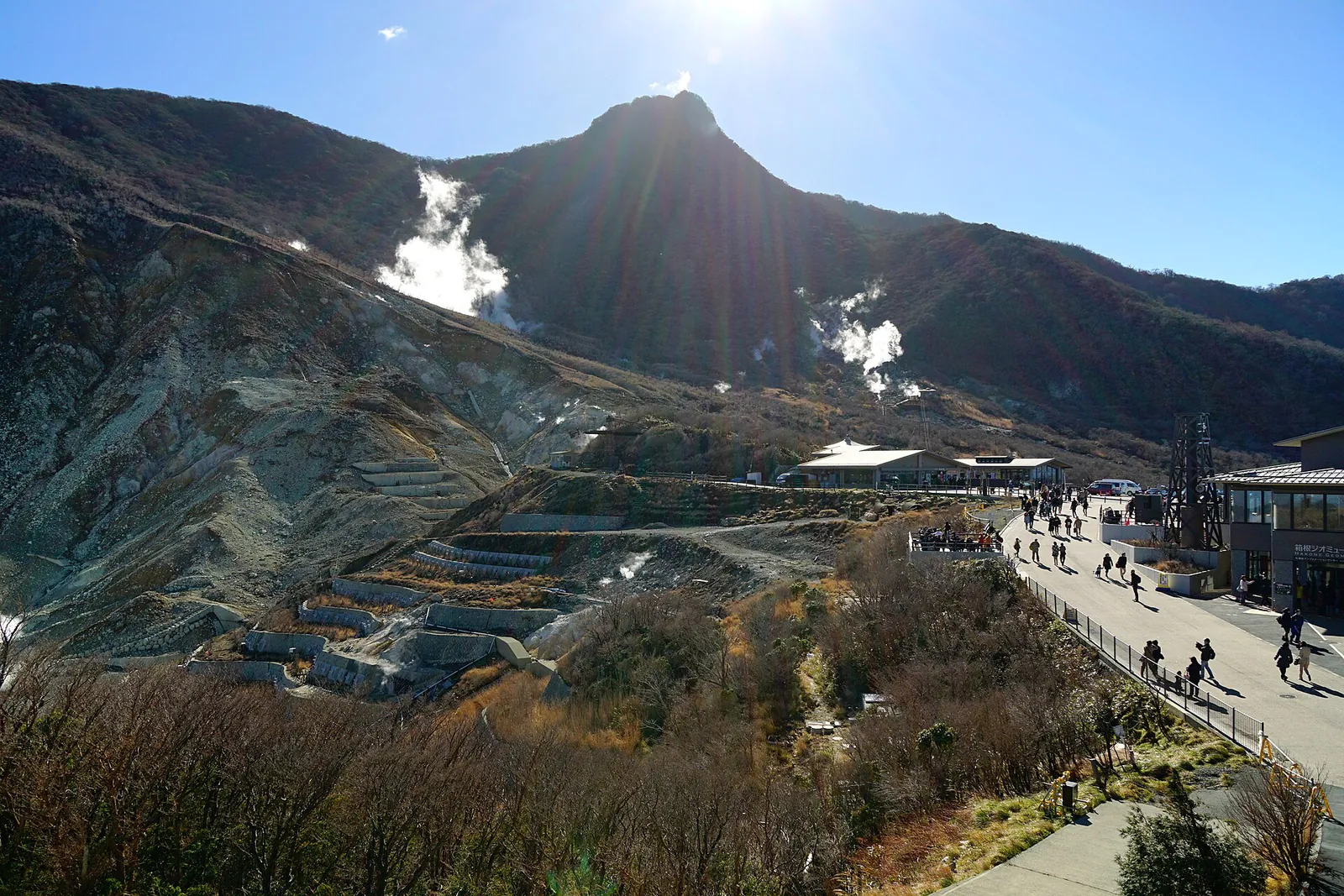
Owakudani / 663highland · CC BY 2.5
Hakone · suggested length: 2 days, 1 night
Hakone History: How a Volcano Made Its Onsen and Checkpoint
Hakone in three lines
- Hakone lies inside a caldera made by large-scale volcanic activity.
- Steep slopes and few passable roads are why a checkpoint was set up here in the Edo period.
- Hot springs, rugged mountains and limited roads all come from the same volcano.
The rugged land a volcano left behind became, just as it was, a line of defense for Edo.
Planned and checked by Waka Travel (Japan) ·
Where the landscape shaped the rules
Hakone is a caldera formed by large-scale volcanic activity. Its steep slopes and limited routes are why a checkpoint was placed here in the Edo period. The hot springs, the rugged mountains and the scarce roads all come from the same volcano.
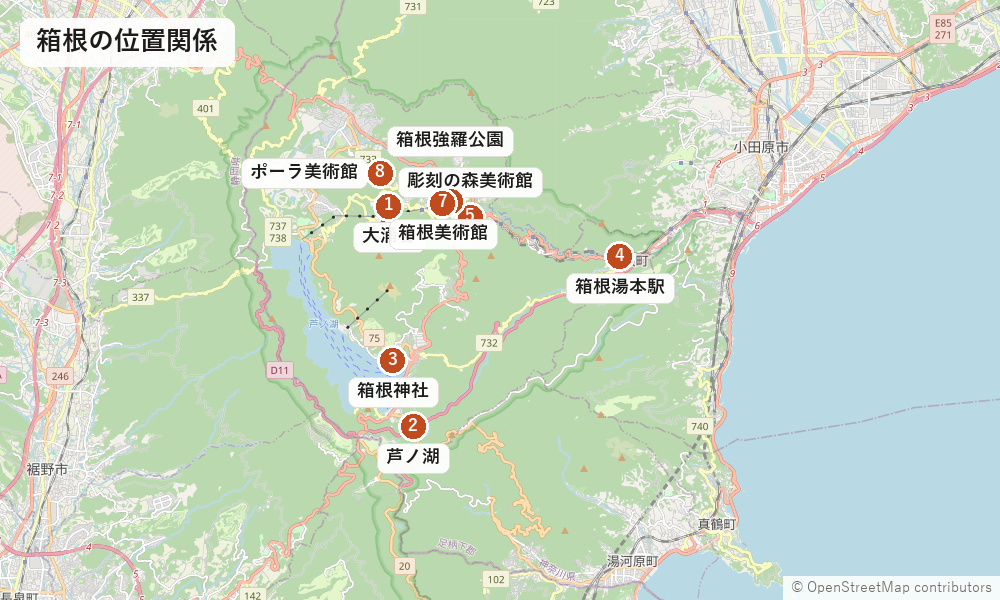
What each place tells you
1Owakudani 大涌谷Day 2
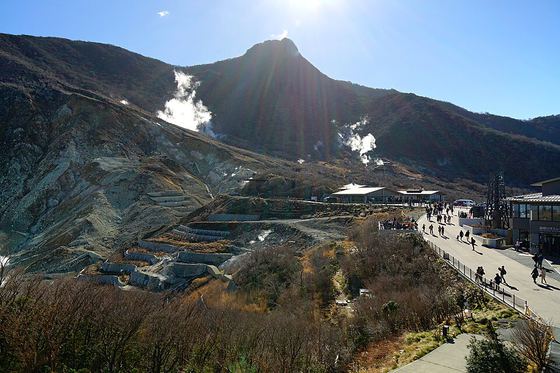
Volcanic activity is still at work here, with steam rising today. Everything about Hakone starts here: both the hot springs and the landscape draw on this heat.
2Lake Ashi 芦ノ湖Day 1
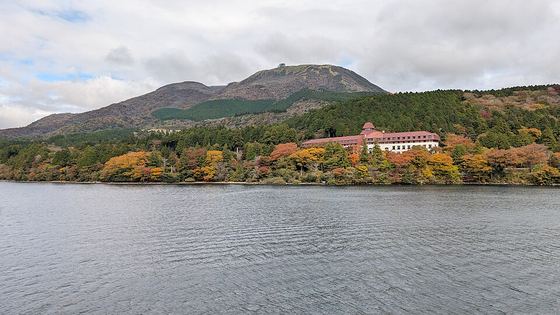
A lake that formed inside the caldera. Mountains ring it all the way round, and this closed-in landscape limited who could pass.
3Hakone Shrine 箱根神社Day 1
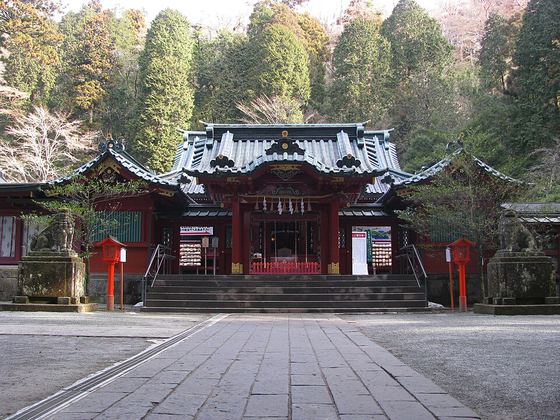
An old shrine on the lakeshore. Travelers crossing the rugged mountains prayed here for a safe journey, and the hardship of the route lives on as faith.
4Hakone Checkpoint 箱根関所Day 1
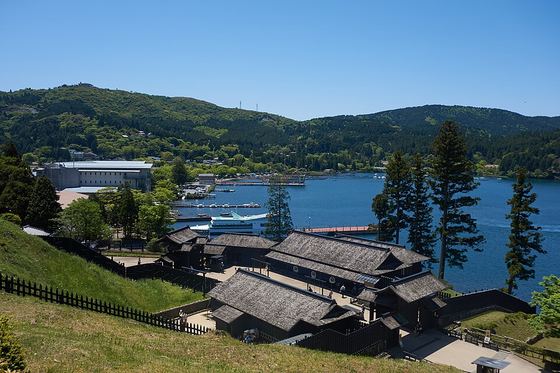
A checkpoint the Edo shogunate set up on the shore of Lake Ashi around 1619. Travelers were inspected, and women leaving Edo for the west ("de-onna") were checked especially closely against their travel permits. It sits on a narrow strip between the lake and the mountains, leaving no side road to slip past on. The present buildings were restored based on Edo-period records of dismantling and repairs, and have been fully open to the public since fiscal 2007.
5Hakone-Yumoto Station 箱根湯本駅Day 2
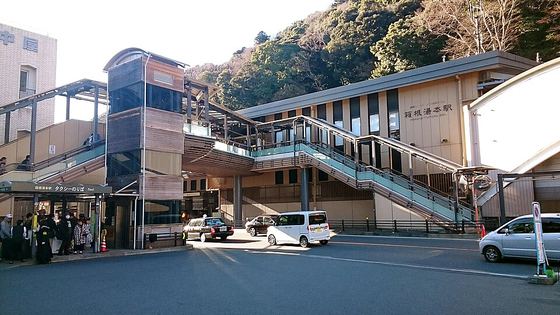
The gateway to the hot spring town. The volcano brings the hot water up, and as one of the Seven Hot Springs of Hakone, Yumoto drew people seeking hot-spring cures from early on. The Tokaido post town, though, was Hakone-juku on the shore of Lake Ashi, where the checkpoint also stood. Yumoto grew not as a post town on the highway but as a place to take the waters.
6The Hakone Open-Air Museum 彫刻の森美術館Day 2
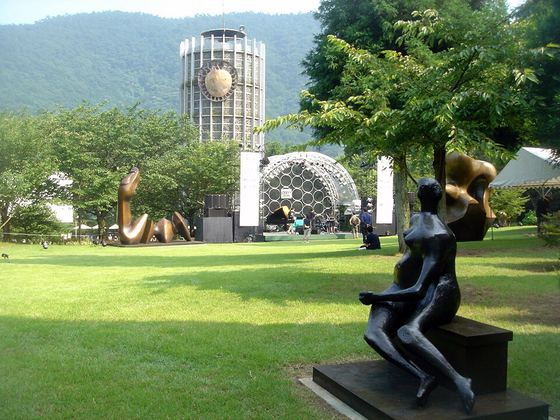
An open-air museum that uses the mountain slope, showing art in a way that wouldn't work on flat land: a limitation of the terrain turned into an advantage.
7Hakone Gora Park 箱根強羅公園If you have time
Japan's first French-style garden, built on a slope. It's called French-style for its symmetrical layout on either side of a fountain pond. That kind of design is meant for broad, flat ground, but there is none here, so the garden had to be built in terraces, and the terrain itself became part of the design.
8Hakone Museum of Art 箱根美術館If you have time
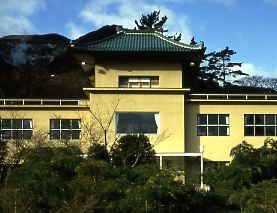
A museum with a moss garden on the slopes of Gora. Volcanic-ash soil and a humid climate grow the moss, so the garden owes its beauty to Hakone's own weather.
9Pola Museum of Art ポーラ美術館Day 2

A museum in the forest, with most of the building sunk underground. Rules to protect the landscape came first, and the building went into the ground to meet them.
After you've seen them all
By the end, you feel in your legs, not just on a map, why the checkpoint was here. The ruggedness is inconvenient, and that very inconvenience is what gave the place its value.
Visiting these 7 places in the shortest order
2 days, 1 night, with 4 h 27 min of travel in total. Stay at Koen-shita Station area.
- Day 1 Lake Ashi → Hakone Checkpoint → Hakone Shrine
- Day 2 The Hakone Open-Air Museum → Owakudani → Pola Museum of Art → Hakone-Yumoto Station
If you have time: Hakone Gora Park, Hakone Museum of Art (covered in the story, but left out of the route to keep each day manageable).
For arrival times at every stop, see the Hakone itinerary.
More stories
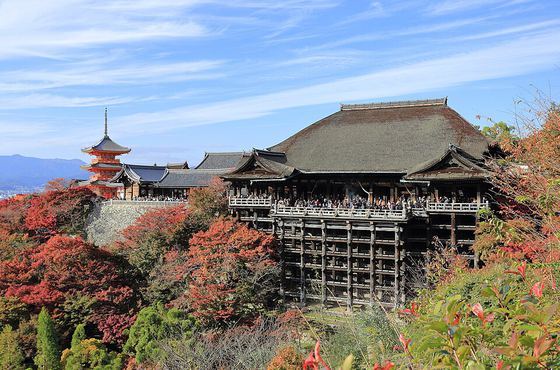 KyotoKyotoA thousand years of a city rebuilt by whoever held powerEach time power changed hands, whoever took over left their own answer in the same basin. In Kyoto, those answers still stand side by side.15 places · 3 days, 2 nights
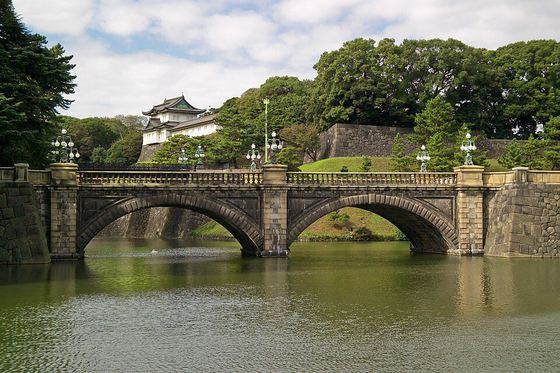 TokyoTokyoA city made by reshaping the landThis was wetland. People dug it out, filled it in and turned it into a city, and the marks of that work are still the shape of Tokyo today.14 places · 3 days, 2 nights
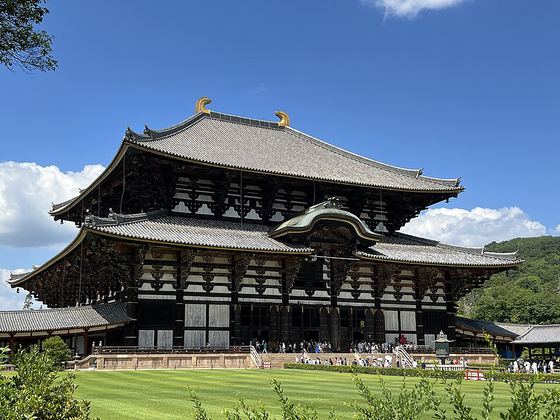 NaraNaraWhere Japan tried to become a nation-stateHere you can still see the real thing: what remains from the years when Japan was being put together as a country.9 places · 2 days, 1 night
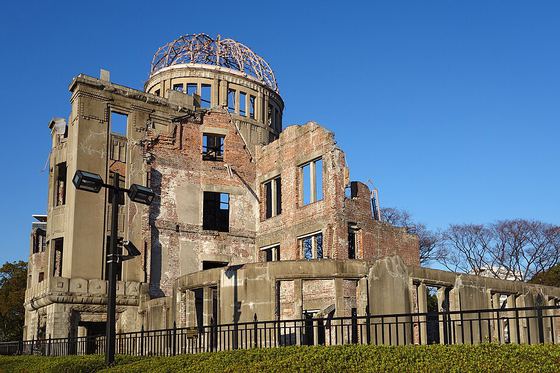 HiroshimaHiroshima & MiyajimaA place where people twice chose to preserveA city that was destroyed, and a shrine built out over the sea so that the island would not be harmed. Both lie on the same bay.10 places · 2 days, 1 night
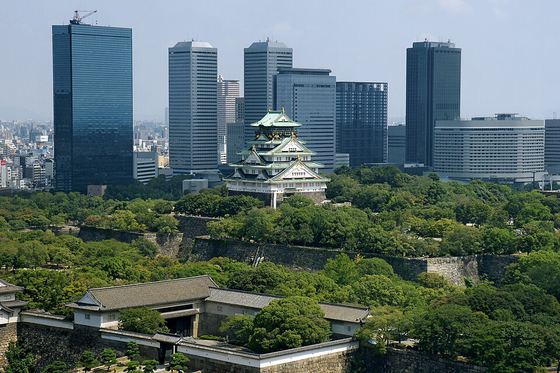 OsakaOsakaA hub known as the "nation's kitchen"Where goods gather, a system grows up to handle them, and so does a culture of people who make money from them.10 places · 2 days, 1 night
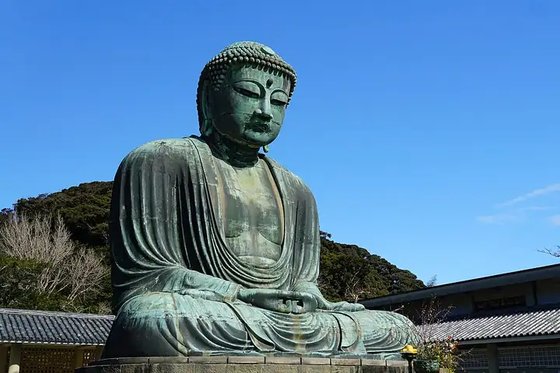 KanagawaKamakuraThe samurai's first capital, protected by mountains and seaOn a narrow piece of land with mountains on three sides and the sea on the fourth, the samurai set up their own government for the first time.7 places · 2 days, 1 night
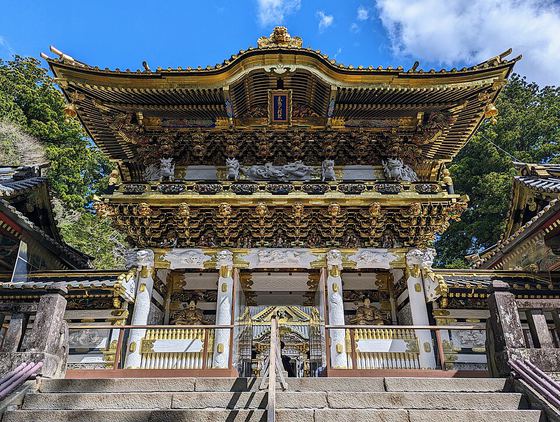 NikkoNikkoWhere mountain worship meets a god made for politicsOn a mountain that was already sacred, a shrine was added that turned a man into a god.9 places · 2 days, 1 night
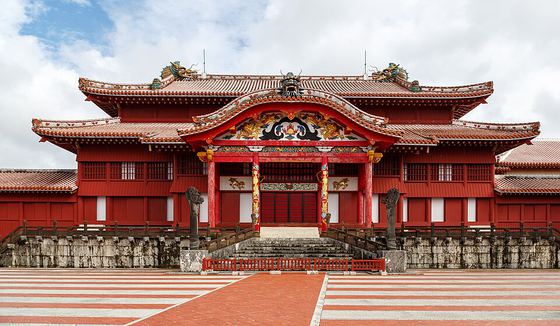 OkinawaOkinawaA kingdom open to the sea, and what came afterThis was an independent kingdom, with a culture that was neither Japanese nor Chinese.10 places · 3 days, 2 nights
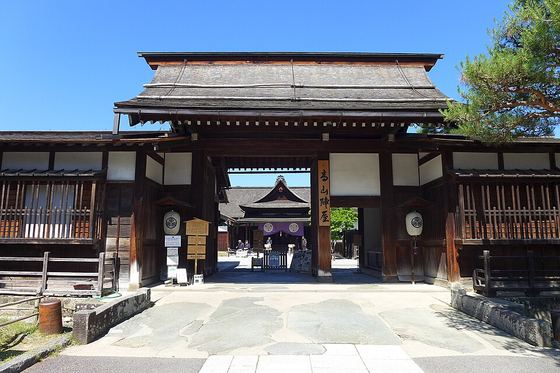 GifuTakayama & Shirakawa-goTwo ways of living in a land shut in by mountainsDeep in the mountains, Takayama grew up around the shogunate's government office, while Shirakawa-go made its living from work done in the attic.7 places · 2 days, 1 night
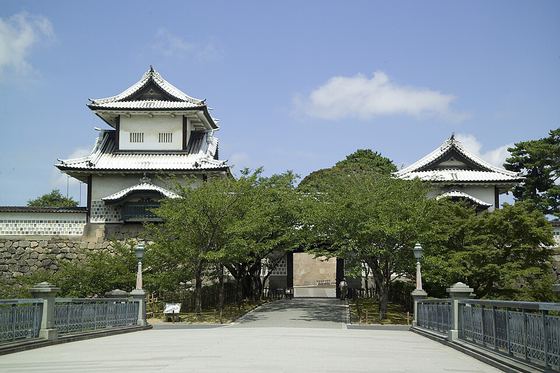 KanazawaKanazawaAn Edo-period town plan, still visible because it was never destroyedA castle town the war never reached still keeps its original plan.11 places · 2 days, 1 night
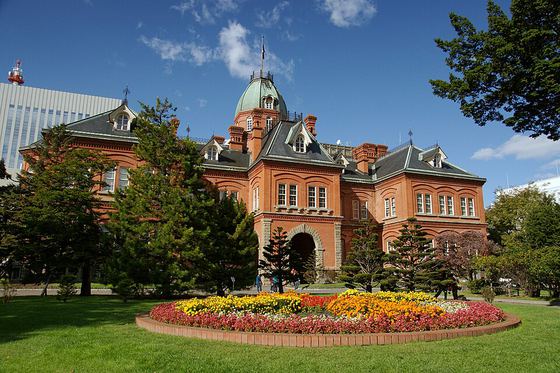 SapporoSapporoA city drawn up as national policyAbout 150 years ago, there was no city here. Sapporo was built from a blueprint.16 places · 3 days, 2 nights