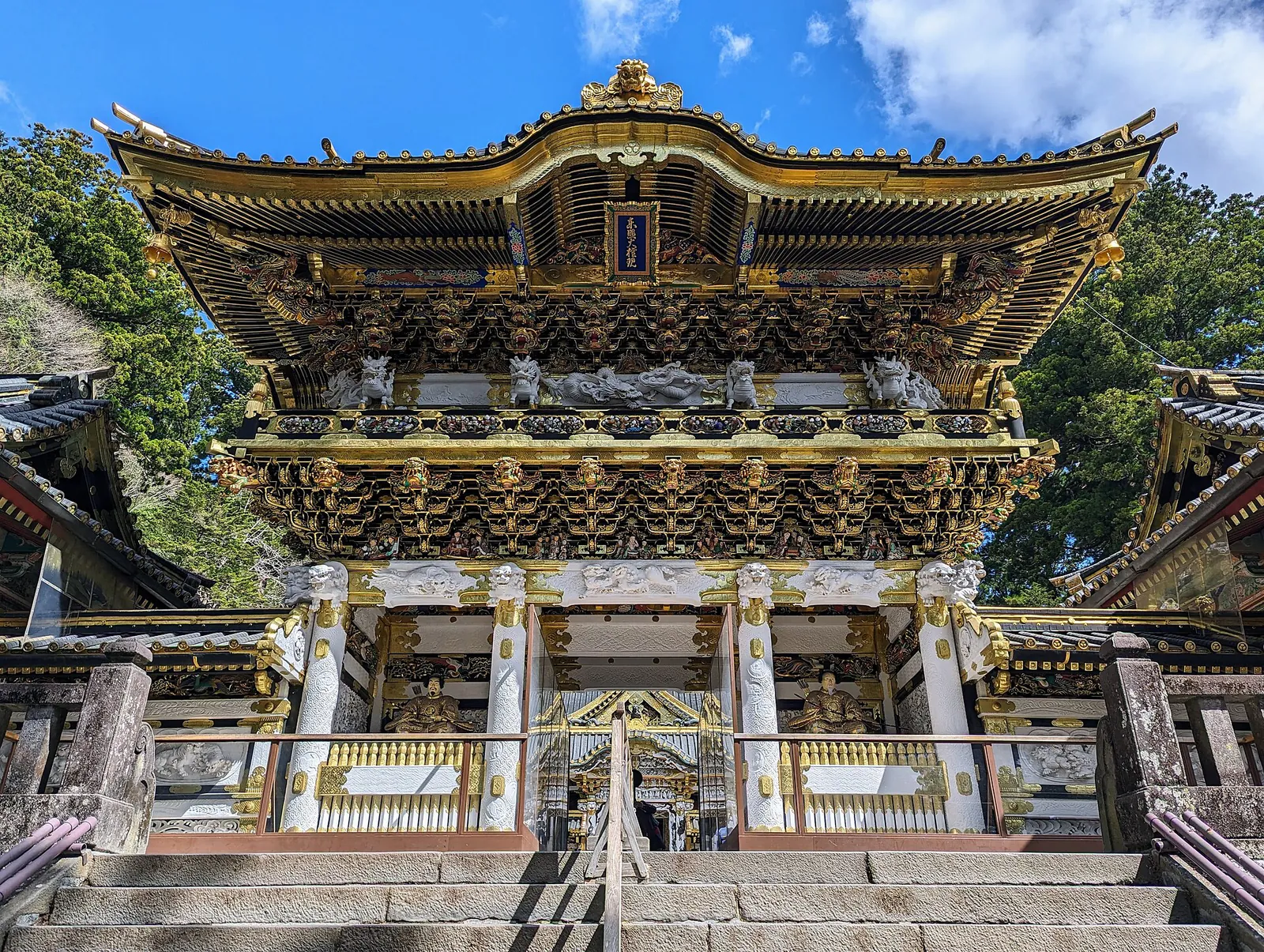
Nikko Toshogu / Jpatokal · CC BY-SA 4.0
Nikko · suggested length: 2 days, 1 night
Nikko History: Why Tokugawa Ieyasu Was Enshrined Here
Nikko in three lines
- Long before Toshogu existed, Nikko was a sacred mountain where people worshipped Mt. Nantai.
- On top of that, a shrine was built to enshrine Tokugawa Ieyasu as a god.
- The lakes and waterfalls a volcano created are part of why it became sacred ground.
On a mountain that was already sacred, a shrine was added that turned a man into a god.
Planned and checked by Waka Travel (Japan) ·
Where mountain worship meets a god made for politics
Nikko was a center of mountain worship focused on Mt. Nantai, sacred long before Toshogu was built. What matters is that the shrine deifying Tokugawa Ieyasu was deliberately built on top of that: it borrowed the power of an existing faith to create a new authority. Here, the story of the land and the story of politics share one place.
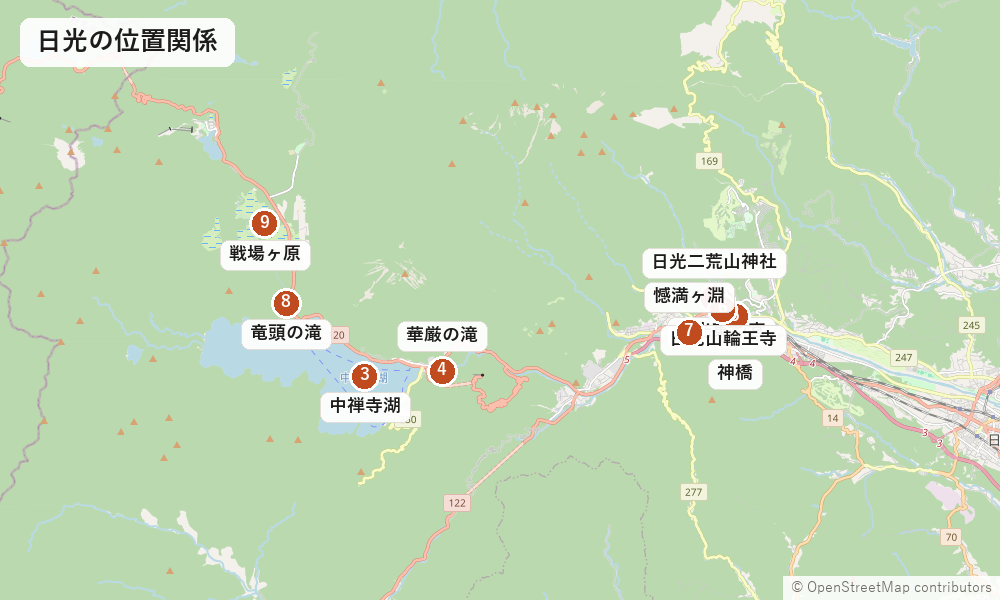
What each place tells you
1Nikko Toshogu 日光東照宮Day 1
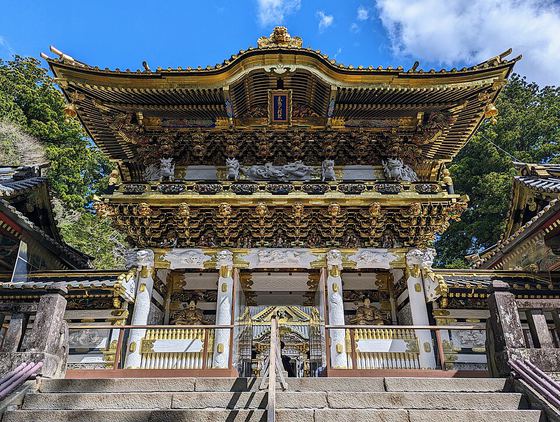
It enshrines Tokugawa Ieyasu as a god, Tosho Daigongen. The decision to turn a man into a god produced architecture on this scale. The decoration is over the top because authority had to be made visible.
2Nikko Futarasan Shrine 日光二荒山神社Day 1
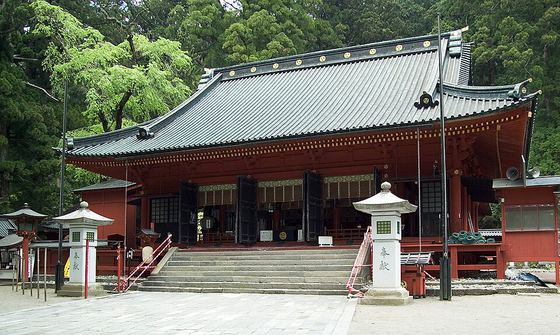
Older than Toshogu, it worships Mt. Nantai itself. Without knowing about this shrine, you can't understand why Toshogu was built here.
3Lake Chuzenji 中禅寺湖Day 2
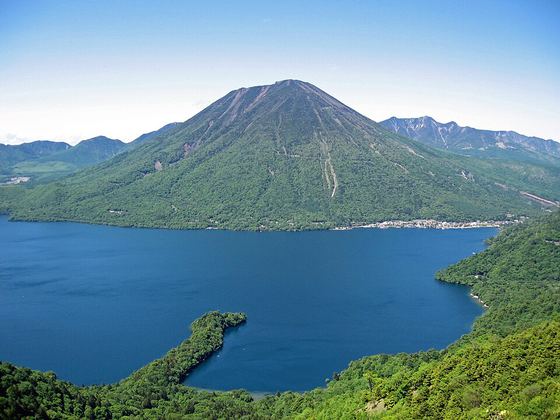
A lake formed when an eruption of Mt. Nantai dammed a river. Nikko's sacredness comes from the landscape this volcanic activity created.
4Kegon Falls 華厳の滝Day 2
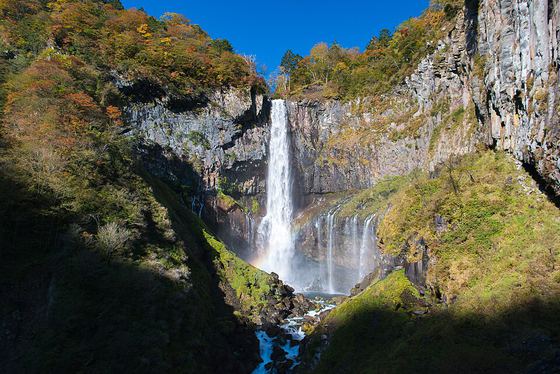
The water of Lake Chuzenji pours over the very cliff that dammed it. The falls exist for the same reason the lake does, so cause and effect in the landscape are visible at a glance.
5Shinkyo Bridge 神橋Day 1
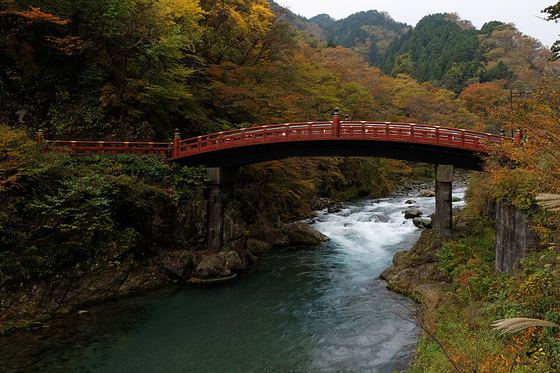
A bridge at the threshold of the mountain. It marks, in physical form, the line where sacred ground begins.
6Nikkozan Rinno-ji 日光山輪王寺Day 1
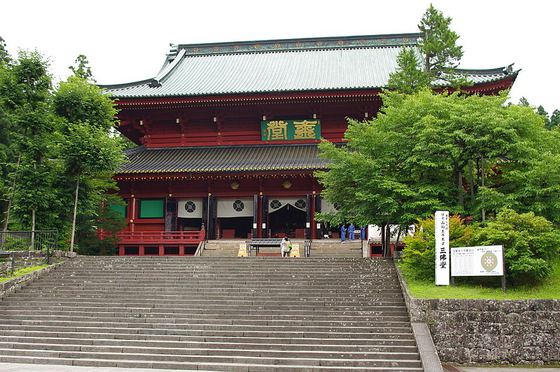
Older than Toshogu, it was founded as a base for mountain worship. Ieyasu's tomb was placed here because the mountain already drew faith, not the other way round.
7Kanmangafuchi Abyss 憾満ヶ淵If you have time
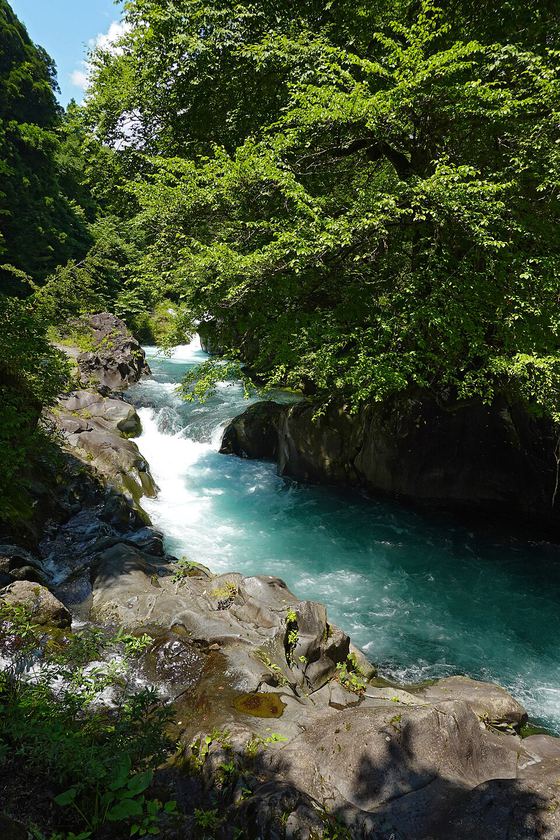
A gorge the Daiya River carved through lava. The Jizo statues lined up here are said to give a different number every time you count them. Here, faith was later layered onto a landscape made by a volcano.
8Ryuzu Falls 竜頭の滝Day 2
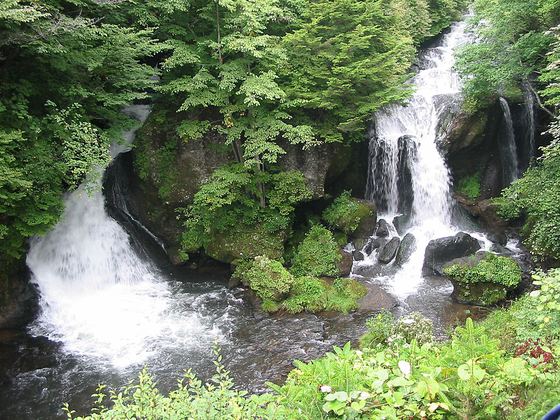
The water splits in two as it runs down over rock thrown out by Mt. Nantai. Even the shape of the falls follows the path the lava took.
9Senjogahara Marshland 戦場ヶ原If you have time
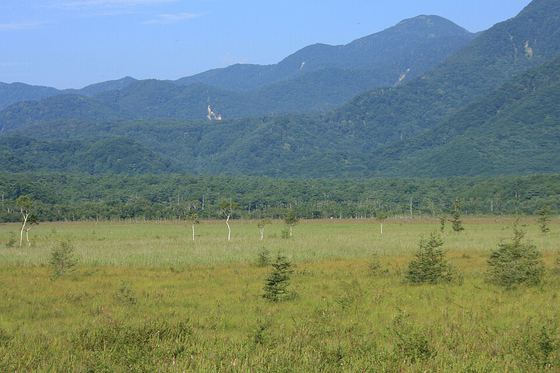
Once a lake, it filled with sediment and became a marsh. Its landscape connects to Lake Chuzenji, so you can follow in one sweep how a lake forms and then fills in.
After you've seen them all
By the end, you understand that Toshogu's splendor was a political necessity, not a matter of taste, and that the reason this place was chosen lies in the volcano.
Visiting these 7 places in the shortest order
2 days, 1 night, with 4 h 16 min of travel in total. Stay at Kegon Falls area.
- Day 1 Shinkyo Bridge → Nikkozan Rinno-ji → Nikko Toshogu → Nikko Futarasan Shrine
- Day 2 Kegon Falls → Lake Chuzenji → Ryuzu Falls
If you have time: Kanmangafuchi Abyss, Senjogahara Marshland (covered in the story, but left out of the route to keep each day manageable).
For arrival times at every stop, see the Nikko itinerary.
More stories
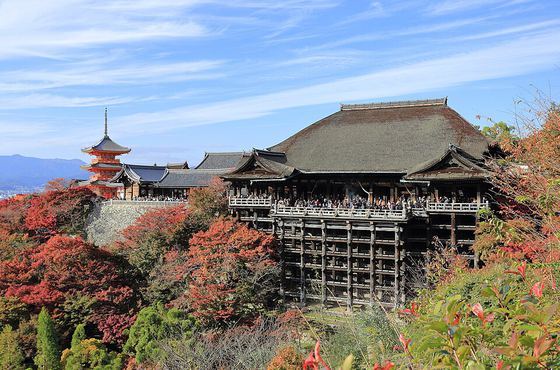 KyotoKyotoA thousand years of a city rebuilt by whoever held powerEach time power changed hands, whoever took over left their own answer in the same basin. In Kyoto, those answers still stand side by side.15 places · 3 days, 2 nights
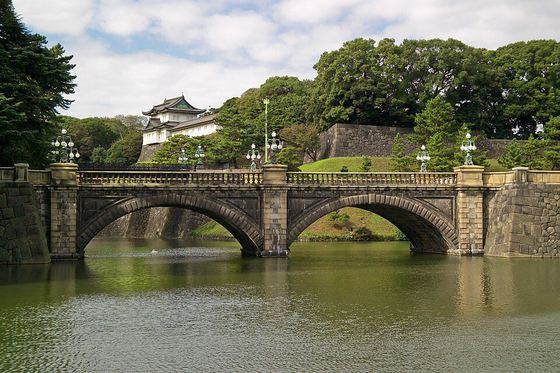 TokyoTokyoA city made by reshaping the landThis was wetland. People dug it out, filled it in and turned it into a city, and the marks of that work are still the shape of Tokyo today.14 places · 3 days, 2 nights
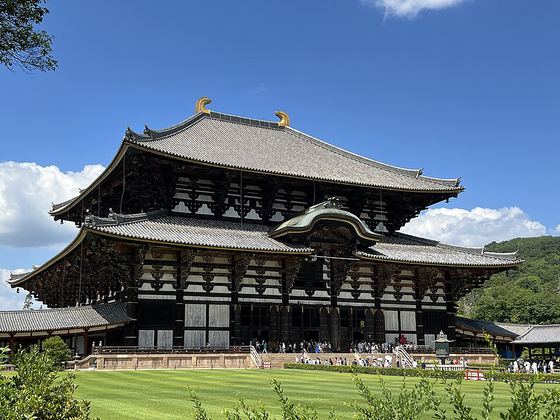 NaraNaraWhere Japan tried to become a nation-stateHere you can still see the real thing: what remains from the years when Japan was being put together as a country.9 places · 2 days, 1 night
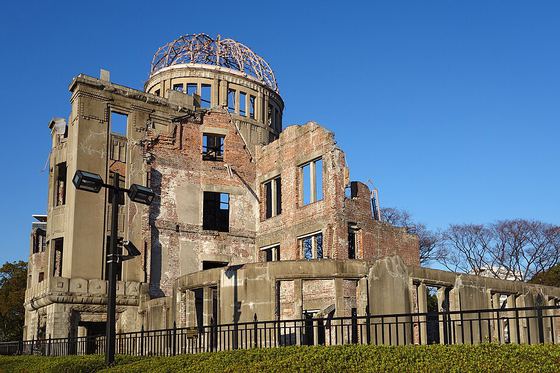 HiroshimaHiroshima & MiyajimaA place where people twice chose to preserveA city that was destroyed, and a shrine built out over the sea so that the island would not be harmed. Both lie on the same bay.10 places · 2 days, 1 night
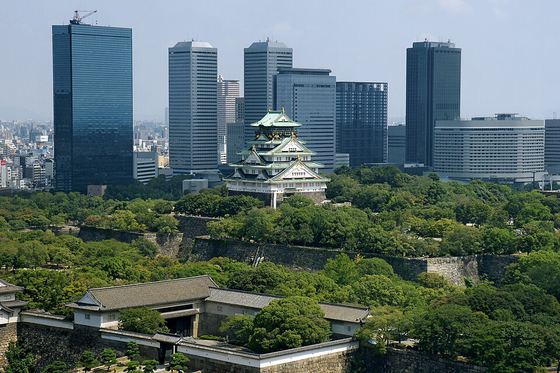 OsakaOsakaA hub known as the "nation's kitchen"Where goods gather, a system grows up to handle them, and so does a culture of people who make money from them.10 places · 2 days, 1 night
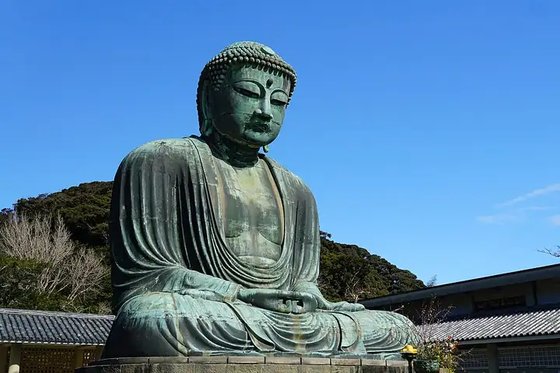 KanagawaKamakuraThe samurai's first capital, protected by mountains and seaOn a narrow piece of land with mountains on three sides and the sea on the fourth, the samurai set up their own government for the first time.7 places · 2 days, 1 night
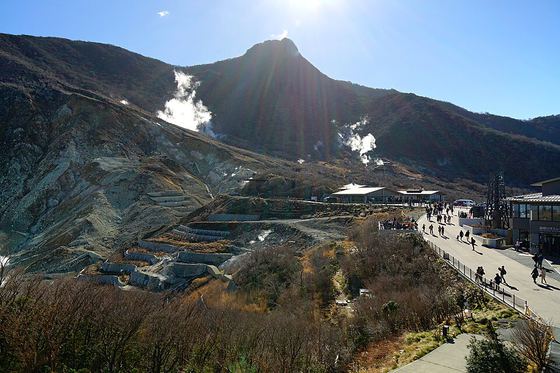 HakoneHakoneWhere the landscape shaped the rulesThe rugged land a volcano left behind became, just as it was, a line of defense for Edo.9 places · 2 days, 1 night
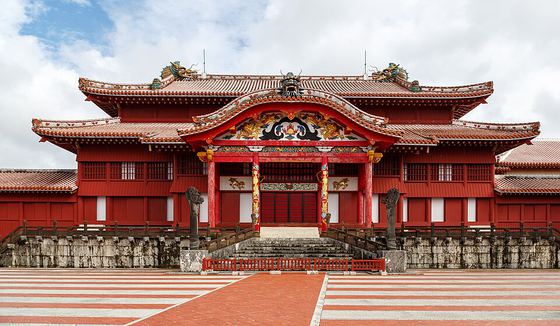 OkinawaOkinawaA kingdom open to the sea, and what came afterThis was an independent kingdom, with a culture that was neither Japanese nor Chinese.10 places · 3 days, 2 nights
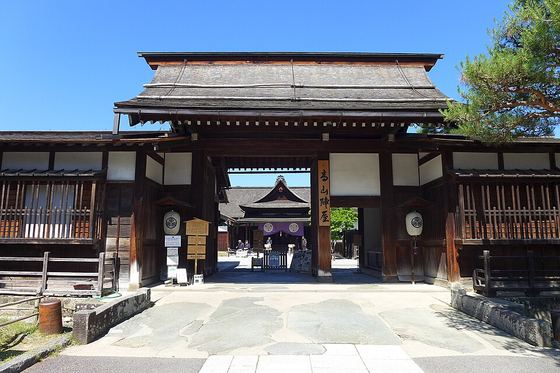 GifuTakayama & Shirakawa-goTwo ways of living in a land shut in by mountainsDeep in the mountains, Takayama grew up around the shogunate's government office, while Shirakawa-go made its living from work done in the attic.7 places · 2 days, 1 night
 KanazawaKanazawaAn Edo-period town plan, still visible because it was never destroyedA castle town the war never reached still keeps its original plan.11 places · 2 days, 1 night
 SapporoSapporoA city drawn up as national policyAbout 150 years ago, there was no city here. Sapporo was built from a blueprint.16 places · 3 days, 2 nights